Historic Reform to Revive Oil Industry
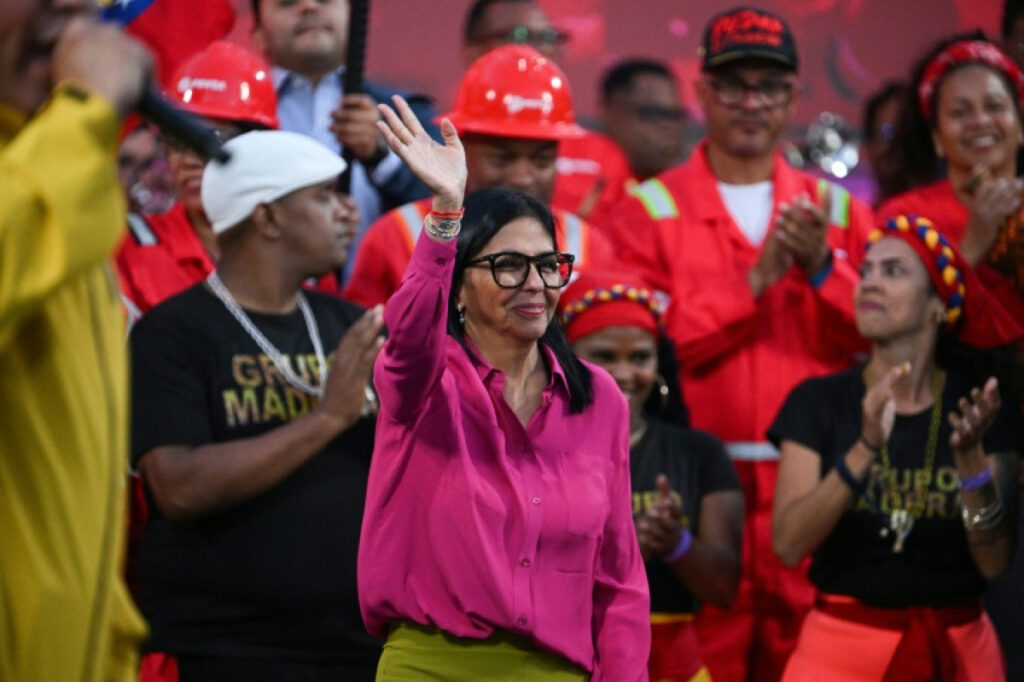
Venezuela has launched a sweeping reform of its oil sector after Acting President Delcy Rodríguez signed a new law that opens the industry to private companies. She approved the bill just two hours after the National Assembly passed it. The reform marks a sharp shift from Venezuela’s long-standing state control over natural resources. For decades, the government tightly managed oil production and sales. Now, officials hope private participation will inject capital, technology, and efficiency into a struggling sector. Venezuela holds some of the world’s largest proven oil reserves, yet output has declined in recent years due to underinvestment and sanctions. The new framework aims to reverse that trend and boost production.
Foreign Investment and Legal Safeguards
The law introduces key protections for investors. Private firms can now take disputes to independent arbitration instead of relying only on Venezuelan courts. This change reduces legal risk and makes projects more attractive to foreign players. The government also adjusted the tax structure. It set a maximum royalty rate of 30% and allowed flexible rates based on project needs and competitiveness. Officials believe these steps will draw global energy companies back to Venezuela. Analysts say clearer rules and profit potential could unlock billions in investment if political stability improves.
Political Context Behind the Move
The reform arrives during major political change in Venezuela. Rodríguez took charge as acting president after US forces reportedly captured President Nicolás Maduro in Caracas. Soon after, she began pushing energy reforms. According to reports, Rodríguez spoke with US President Donald Trump and Secretary of State Marco Rubio before signing the bill. Discussions included Venezuela’s oil sales and revenue channels. The timing suggests energy policy now plays a central role in Venezuela’s diplomatic and economic strategy.
Private Firms to Manage Operations
Under the new system, private companies can manage oil operations at their own risk and expense. They must first prove technical and financial strength through approved business plans. However, the state will still own the oil and gas reserves. This model allows private control over operations while preserving national ownership of resources. Venezuela last