US-Israel-Iran War Escalates After Khamenei’s Death
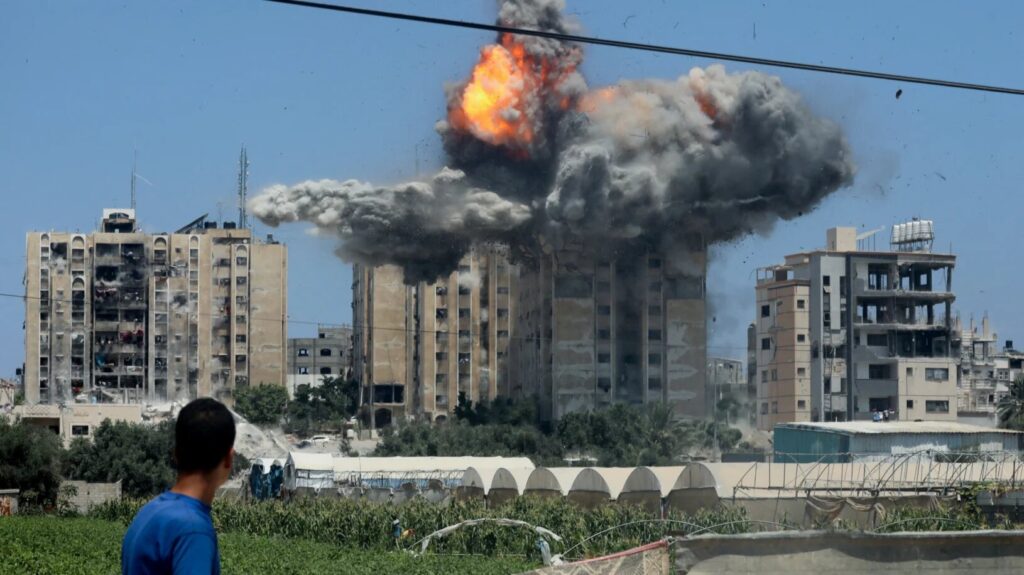
The United States and Israel launched joint strikes on Iran on Saturday. The attacks sharply escalated tensions across West Asia. The conflict has since led to the death of Iran’s Supreme Leader, Ayatollah Ali Khamenei. His death marked a major turning point in the crisis. Soon after, Tehran launched retaliatory missile strikes on US bases in the Gulf. These strikes targeted installations in the UAE, Kuwait, Qatar, Bahrain and Jordan. As a result, fears of a wider regional war have grown rapidly.
Trump and Netanyahu Say War May Last Weeks
Amid rising uncertainty, US President Donald Trump addressed the expected timeline. In an interview with The New York Times, he said the plan envisioned four to five weeks of operations. However, he added that the duration could change if needed. Meanwhile, Israeli Prime Minister Benjamin Netanyahu rejected claims that the conflict would drag on for years. He described the campaign as “quick and decisive.” He also stressed that it would not become an endless war.
Military Strategy and Casualty Concerns
Israeli officials said planners had prepared for a campaign lasting weeks. However, they noted that the timeline depends on developments on the ground. So far, Israel has avoided large-scale ground deployment. Trump also said the US has “tremendous amounts of ammunition” stored globally. At the same time, he acknowledged the human cost of the conflict. He confirmed that three US service members had died. “Three is three too many,” he said, while warning that casualties remain possible.
India Urges De-escalation
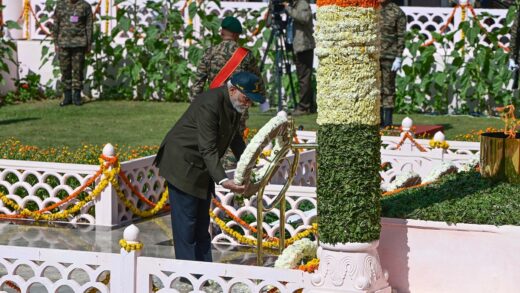
As the war enters Day 4, global concern continues to rise. India has called for immediate de-escalation in the region. It also opposed attacks on merchant ships. The Ministry of External Affairs stressed that protecting Indian nationals is the top priority. Prime Minister Narendra Modi has remained in touch with global leaders. Given the Gulf’s strategic importance, a prolonged war could disrupt energy supplies and trade routes. Therefore, diplomatic efforts have intensified to prevent further escalation.