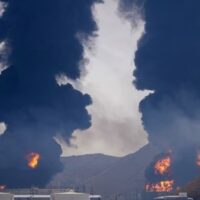
US Boosts Military Presence Near Iran After Nuclear Talks
The United States has significantly increased its military presence in the Middle East amid rising tensions with Iran. According to reports, Washington has deployed more than 50 fighter jets to the region in recent days. This development followed the conclusion of nuclear negotiations held in Geneva, where officials from both sides acknowledged “progress.” However, despite diplomatic efforts, uncertainty continues to dominate bilateral relations. As a result, the US has chosen to strengthen its security posture to deter potential threats and reinforce regional stability.
Washington Reaffirms Its Nuclear Red Line
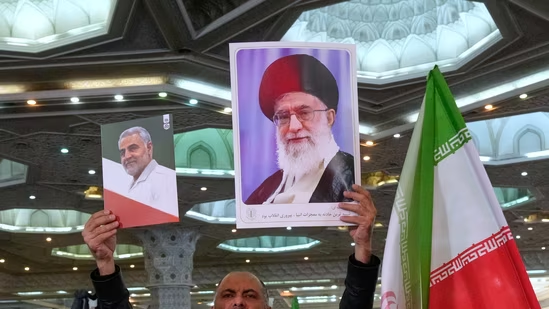
Since the beginning of heightened tensions and the recent 12-day conflict involving Israel, the US has consistently stressed that it will not allow Iran to develop nuclear weapons. Moreover, Washington views this objective as a core element of its foreign policy in the region. Tensions escalated further following Iran’s crackdown on domestic protests, which intensified diplomatic pressure from Western nations. Meanwhile, US policymakers continue to stress that nuclear non-proliferation remains non-negotiable. Consequently, officials have linked military deployments with diplomatic efforts to ensure Iran complies with international norms.
JD Vance Highlights Diplomatic Challenges
Speaking to FOX News, US Vice President JD Vance acknowledged both progress and limitations in ongoing negotiations. He noted that while Iran agreed to continue discussions, it has not fully accepted President Trump’s “red line” on nuclear weapons. Furthermore, Vance emphasized that Washington’s primary goal remains preventing Tehran from acquiring nuclear capability. At the same time, he warned that patience in diplomatic talks has limits. Therefore, US officials continue to balance dialogue with strategic pressure to achieve long-term security objectives.
Iran Announces Strait of Hormuz Closure
In a strong display of military readiness, Iran announced the temporary closure of the Strait of Hormuz for live-fire naval drills. This rare move came as Iranian negotiators held another round of indirect talks with US representatives in Geneva. Notably, nearly 20 percent of the world’s oil supply passes through this vital route, making the announcement significant for global markets. Although the closure is temporary, it signals Tehran’s willingness to use strategic leverage. Experts believe this development could heighten economic and geopolitical risks if tensions continue. Ultimately, the situation highlights how fragile regional stability remains amid unresolved nuclear disputes.