Landmark Verdict Limits Presidential Tariff Powers
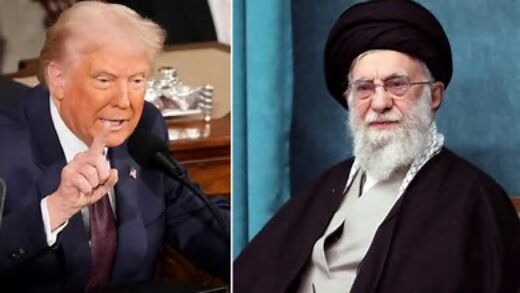
India is closely analysing developments after the Supreme Court of the United States struck down reciprocal tariffs imposed during the tenure of former US President Donald Trump. The ruling, delivered in a 6–3 majority verdict by a nine-judge bench led by Chief Justice John Roberts, held that the president could not invoke the International Emergency Economic Powers Act (IEEPA) of 1974 to impose sweeping tariffs without congressional approval. The decision significantly curtails executive authority over trade measures and is being viewed as a defining moment in US tariff policy jurisprudence.
India’s Commerce Ministry ‘Studying Developments’
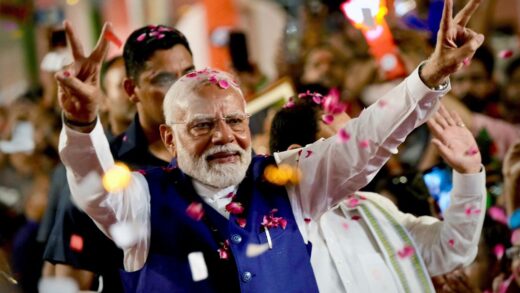
Responding to the verdict, India’s Union commerce ministry stated that it has “noted the judgement” and is carefully studying its implications. Officials said the government is evaluating both the court’s ruling and the subsequent steps announced by the US administration. Union Minister Piyush Goyal, along with other representatives, indicated that a formal response would follow a detailed assessment. Earlier, Union Minister Pralhad Joshi clarified that any official comment would be issued by the commerce ministry or the ministry of external affairs after a comprehensive review. The cautious approach reflects India’s strategic balancing in its expanding trade partnership with the US.
Trump Announces Temporary Import Surcharge
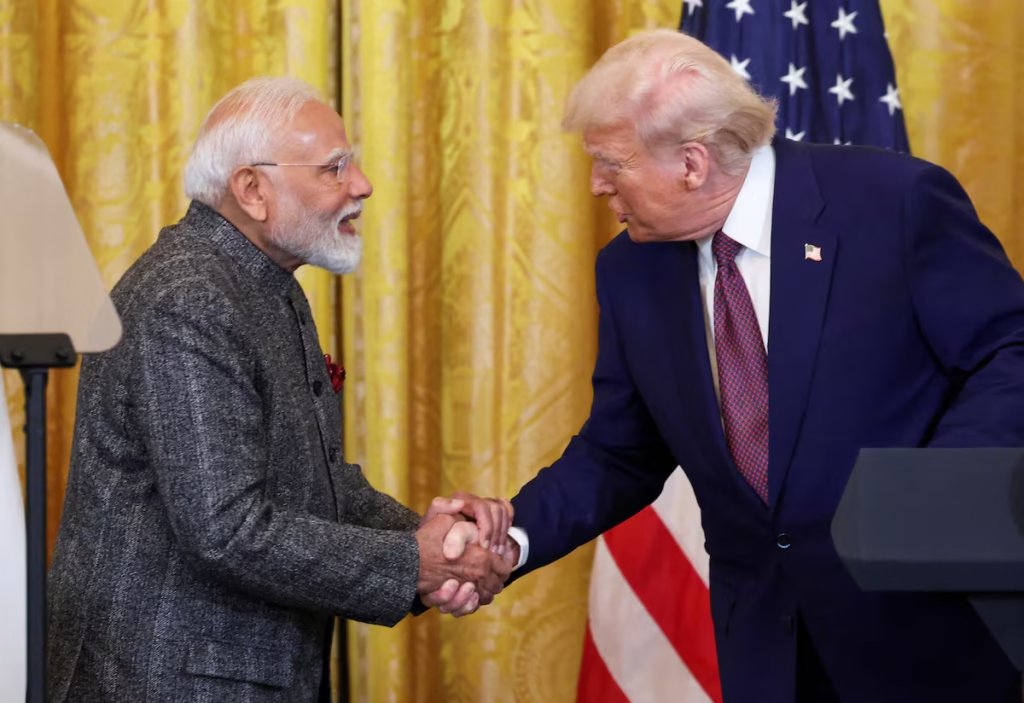
Despite the court striking down earlier tariffs, Trump moved swiftly to recalibrate trade measures. Hours after the ruling, he signed an executive order ending certain tariff actions while issuing a proclamation imposing a 10 per cent temporary import surcharge. The new “ad valorem” duty will take effect on February 24, 2026, and remain in force for up to 150 days unless terminated or extended by Congress. The US administration justified the surcharge by citing trade deficits, balance-of-payments pressures, and financial stability concerns.
Global Trade Implications Under Watch
The proclamation exempts select imports, including critical minerals, bullion, energy products, pharmaceuticals, and certain aerospace components. Analysts say the developments could reshape global trade negotiations and reassert congressional oversight in US tariff decisions. For India, the evolving situation carries economic and diplomatic significance, particularly as both nations seek to deepen commercial ties. New Delhi’s ongoing assessment signals a watchful but measured response as global markets absorb the implications of Washington’s latest trade shift.