Trump’s Oil Claim Raises Eyebrows
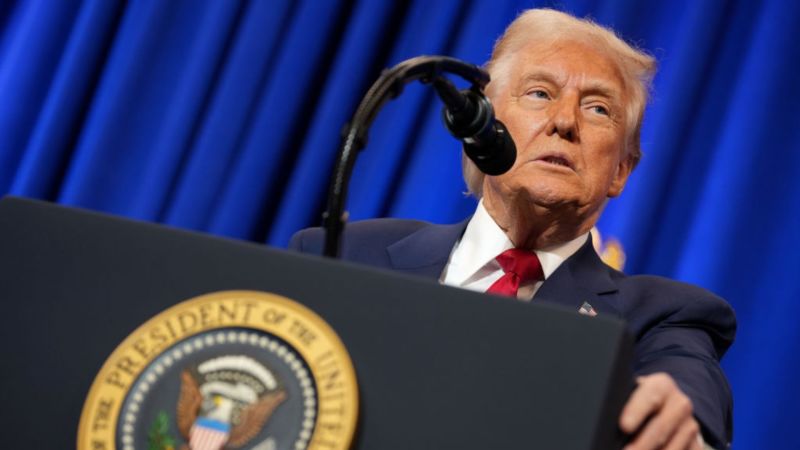
US President Donald Trump said the United States and Venezuela now control about 68% of the world’s oil. He made this claim during the 74th National Prayer Breakfast in Washington. However, analysts note that Venezuela holds roughly 17% of proven oil, which is far lower than Trump’s claim. Moreover, global data suggest the US share is smaller than stated.
Trump stated that Venezuela has more oil than nearly any other nation. He added that US access to these reserves increases American influence in global oil markets. Nevertheless, independent data contradict his numbers.
Military Operation and Oil Strategy
The claim follows a US military operation in Venezuela in early January 2026. During the operation, US forces captured Maduro and his wife. As a result, Trump linked the operation directly to oil interests. Additionally, he announced that major US energy companies would rebuild Venezuela’s oil infrastructure. The goal is to increase production and global supply.
However, experts caution that infrastructure damage, legal barriers, and sanctions could slow oil output. Rebuilding refineries and restoring production will take years. Therefore, the claim of 68% control is considered exaggerated.
Global Reactions and Implications
Trump’s remarks drew global attention. Meanwhile, some countries criticized the US intervention as a violation of sovereignty. In contrast, allies welcomed the action as a stabilizing measure. Diplomats have begun early talks with the US to reestablish Venezuela relations.
The capture of Maduro also affected neighboring countries. Cuba, reliant on Venezuelan oil, faces fuel shortages due to tightened controls. Consequently, analysts warn that oil markets could see price volatility. Ultimately, the US-Venezuela oil situation may reshape energy geopolitics.
Economic and Geopolitical Outlook
Trump emphasized that the US would sell large amounts of Venezuelan oil. He claimed this strategy benefits American companies and consumers. However, energy experts say production will take time. Political and logistical challenges remain significant. As a result, global energy markets are watching closely, with potential long-term implications for supply and pricing