Strong earthquake tremors were felt across Delhi-NCR, prompting residents in Delhi, Noida, and Gurugram to rush out of buildings and homes in alarm. Fortunately, no casualties or property damage have been reported so far. The tremors extended beyond the national capital, affecting areas such as Ghaziabad, Faridabad, parts of Rajasthan, and Uttar Pradesh, with many expressing their fear on social media as the jolts even caused cupboards to shake open.
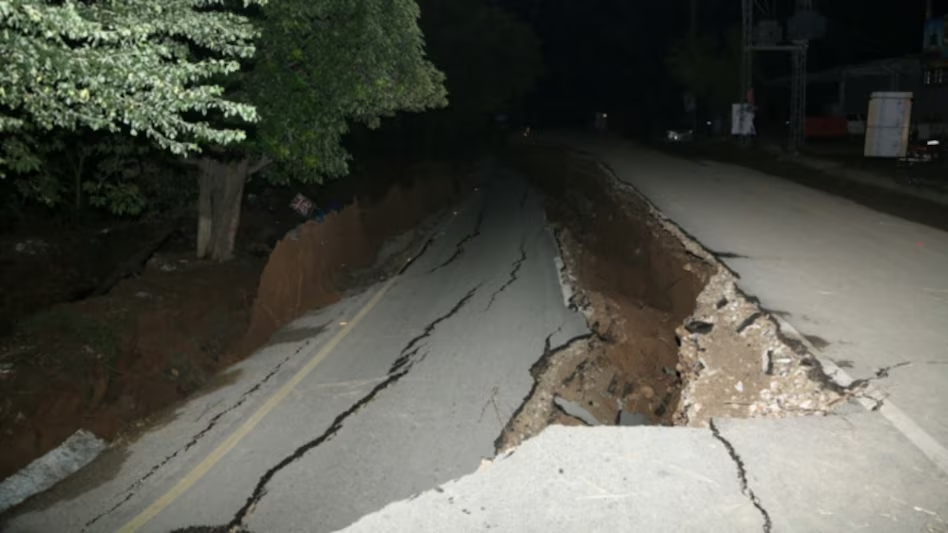
Eyewitnesses described the intensity of the quake as frightening, with one in Delhi sharing that the tremors were so strong his vehicle shook, while another in Ghaziabad likened the experience to someone physically shaking the shop he was inside. This follows a similar incident on February 17, when a 4.0 magnitude earthquake struck with its epicenter in south Delhi’s Dhaula Kuan, underscoring the region’s vulnerability to seismic activity.
Data from the National Centre for Seismology reveals that between 1993 and 2025, the area around Dhaula Kuan has recorded 446 earthquakes, ranging from magnitudes 1.1 to 4.6, highlighting the high seismic risk. Classified under seismic zone IV (severe) by the Bureau of Indian Standards, Delhi-NCR experiences frequent tremors due to multiple active fault lines, including Sohna, Mathura, and Delhi-Moradabad, along with Haryana’s seven fault lines. The region’s proximity to the seismically active Himalayan belt further contributes to the likelihood of aftershocks, emphasizing the need for preparedness.