Bhubaneswar: Similipal tigress Zeenat, who made headlines after escaping from the Similipal Tiger Reserve (STR) and roaming across Odisha, West Bengal, and Jharkhand, is now believed to be pregnant, according to senior forest officials. After a dramatic 23-day journey through three states, Zeenat was captured in West Bengal’s Bankura district and brought back to Similipal on January 1. She was kept under observation in a soft enclosure, where she was found to be healthy and fit. On April 17, following signs of estrus and interaction with a wild melanistic male tiger (T12), she was released into the wild. Thermal camera footage later confirmed mating activity between Zeenat and T12 in the second week of May at Jamuna meadow.
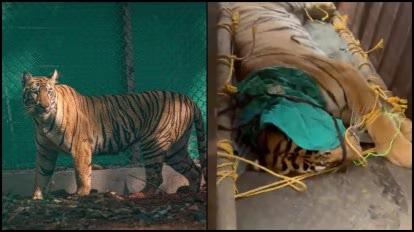
Since her release, Zeenat has remained within the core zone of STR, hunting natural prey such as cheetal, sambar, and wild boar. Forest officials are closely monitoring her movements around the clock through satellite-based GPS tracking and on-ground teams consisting of four personnel each. “She has stopped mating and has begun isolating herself both strong biological indicators of pregnancy,” the official said. With the typical tiger gestation period ranging from 105 to 120 days, authorities expect Zeenat to give birth between August and early September.
Zeenat was originally brought to Similipal from Maharashtra’s Tadoba-Andhari Tiger Reserve as part of a genetic supplementation project aimed at reducing inbreeding within the reserve. Research by Dr. Uma Ramakrishnan of the National Centre for Biological Sciences in 2021 highlighted that Similipal’s tiger population is genetically isolated, with significant inbreeding and nearly 50% of the population exhibiting pseudo-melanistic traits. Although the reserve has witnessed an annual population growth rate of 18% since 2014, genetic diversity remains a concern. The translocation of tigers from the central Indian landscape is a strategic move to address this issue and ensure long-term conservation success.