Risky Voyage Through a War-Zone Waterway
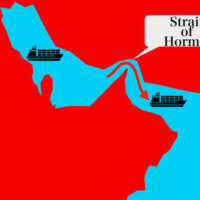
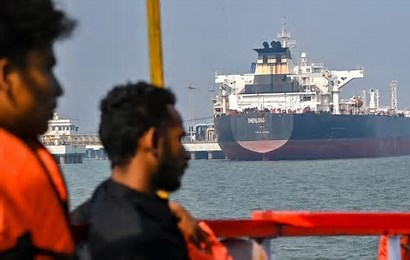
The Liberia-flagged oil tanker Shenlong Suezmax has successfully reached Mumbai after navigating the tense waters of the Strait of Hormuz, one of the world’s most critical oil routes. The vessel departed from Ras Tanura Terminal in Saudi Arabia on March 3. It carried about 135,335 metric tonnes of crude oil destined for Indian refineries. The tanker docked at Jawahar Dweep Oil Terminal on March 11. The voyage came amid rising tensions following the US–Iran conflict escalation February 2026, which has turned the narrow sea passage into a high-risk zone for commercial ships.
Sailing Through Digital Darkness
As the vessel approached the 33-km-wide Strait of Hormuz, the crew faced a sudden loss of electronic navigation systems. Signals from the ship’s Automatic Identification System (AIS) and GPS were disrupted for a large part of the journey. Maritime officials said the tanker experienced GPS spoofing and signal jamming, a form of electronic warfare increasingly used in modern conflicts. Tracking data showed the ship entering the strait on March 8 before briefly disappearing from monitoring systems. It reappeared on March 9 as it continued toward India. Experts say such “dark transits” are sometimes used to avoid detection in hostile waters.
Crew Relies on Traditional Seamanship
With satellite navigation unavailable, the crew switched to manual navigation methods. Captain Sukshant Singh Sandhu led the 29-member multinational crew through the dangerous stretch. Officers relied on radar, charts, and traditional maritime navigation techniques. Second Officer Abhijit Alok said the bridge team used backup procedures similar to those used before the digital era. Despite fighter jets flying overhead in nearby regions, the tanker avoided direct conflict and continued its journey safely to India.
Growing Concerns Over Shipping Security
The Shenlong’s arrival highlights rising risks for global shipping in the Persian Gulf. Officials say several vessels have faced attacks or disruptions during the conflict. According to India’s shipping ministry, 28 Indian-linked vessels remain in the region with hundreds of Indian sailors onboard. Authorities are monitoring the situation and have identified priority ships for possible naval escort if tensions escalate. Despite these risks, energy shipments to India continue, as the country depends heavily on oil transported through the Strait of Hormuz, a route that handles nearly 20% of global crude oil trade.