On the auspicious occasion of Rath Yatra in Puri, Gajapati Maharaja Divyasingha Deb, the titular king and first servitor of Lord Jagannath, performed the revered ‘Chhera Pahanra’ ritual a symbolic act of humility and devotion. Clad in pristine white attire and carried in a silver-plated palanquin, the Maharaja arrived at the chariots and ascended each one in turn. With a golden-handled broom, he ceremoniously swept the platforms of the chariots Taladhwaj (Lord Balabhadra), Nandighosh (Lord Jagannath), and Darpadalan (Devi Subhadra)—while priests chanted Vedic hymns and showered the area with flowers and fragrant water.
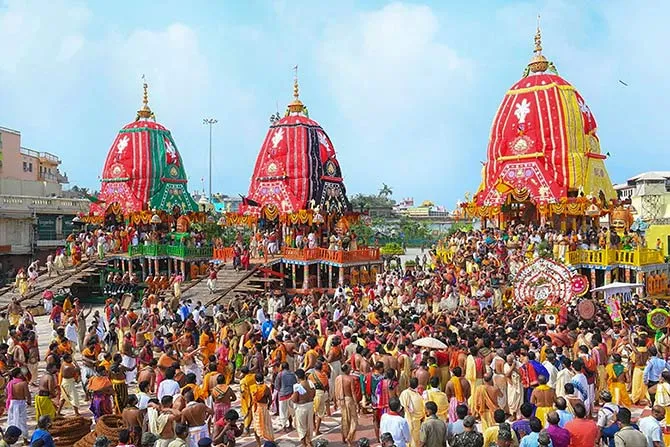
The Maharaja also performed ‘aarti’ and ‘Chamara Seva’ for the deities, fulfilling his traditional role as the Lord’s foremost servant—a practice rooted in the Rajaniti (royal duty) of the Jagannath temple. This sacred ritual is also conducted during Snana Purnima and Bahuda Yatra, reinforcing the spiritual bond between the royal family and the deities. According to temple tradition, a special messenger informs the Gajapati once the deities are seated on their chariots, prompting his ceremonial entry.
The act of a king sweeping the Lord’s chariot holds deep symbolic meaning. It reflects the timeless message that all are equal before the divine, regardless of social status. As Bhaskar Mishra, a scholar of the Jagannath cult, notes, this gesture of humility by the king serves as a profound social lesson. Historian Pandit Suryanarayan Rathsharma echoes this sentiment, emphasizing that the ritual transcends hierarchy and reminds society of the Lord’s impartial grace. Following the Gajapati’s departure, painted wooden horses are affixed to the chariots, and thousands of devotees begin the sacred pulling of the Rathas, marking the start of one of India’s most iconic spiritual festivals.