Pakistan Reverses Decision
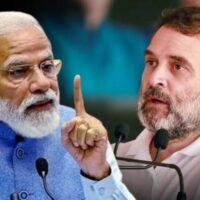
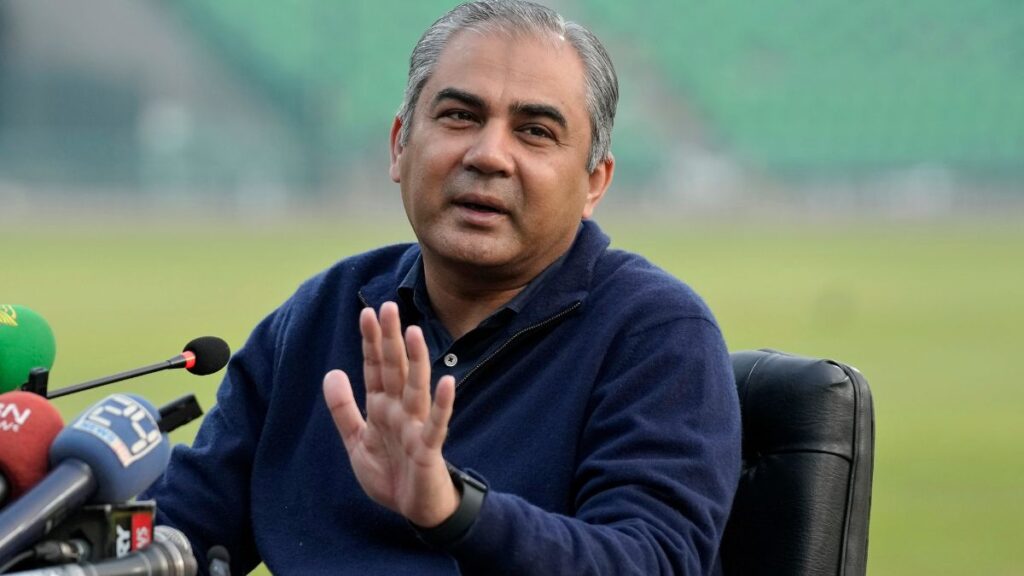
After weeks of uncertainty, the Pakistan Cricket Board (PCB) confirmed that Pakistan will face India on February 15 in Colombo. Earlier, the team had threatened to boycott the match due to perceived unfair treatment of Bangladesh. The confirmation followed a five-hour meeting in Lahore with PCB chairman Mohsin Naqvi, ICC representatives, and Bangladesh Cricket Board president Aminul Islam. Subsequently, Pakistan Prime Minister Shehbaz Sharif approved the team’s participation, ensuring the marquee fixture remains on schedule.
ICC and Boards Mediate Talks
Meanwhile, the ICC described its discussions with PCB and BCB as “open and constructive.” Several member boards, including England, Australia, Sri Lanka, and Emirates, urged Pakistan to reconsider. In addition, Sri Lanka Cricket president Shammi Silva warned that a boycott would cause significant economic fallout in Colombo. As a result, ICC mediation emphasized that all alternatives be explored. Ultimately, these efforts persuaded PCB to change course.
Back-Channel Negotiations
Tensions escalated after Pakistan initially refused to play India on February 1. Between February 3 and 9, ICC deputy chair Imran Khwaja, PSL adviser Salman Naseer, and PCB officials held multiple meetings. On February 7, PCB requested the ‘Force Majeure’ clause to justify the boycott; however, the ICC rejected the claim. Following repeated appeals from Sri Lanka, Emirates, and Bangladesh, along with consultations with the Pakistani government, PCB reversed its decision on February 9.
Protecting Cricket’s Spirit
The Pakistani government stated that the reversal aims to protect the spirit of cricket and maintain the global continuity of the sport. Consequently, PCB chairman Naqvi emphasized that the decision preserves the T20 World Cup’s commercial and sporting stakes. Finally, fans worldwide can look forward to the highly anticipated India vs Pakistan clash. In addition, the decision strengthens cooperation among cricket boards and ensures the tournament proceeds smoothly.