Kunal Bahl Flags ₹5,900 Hotel Laundry Bill, Calls It ‘Out of Touch’
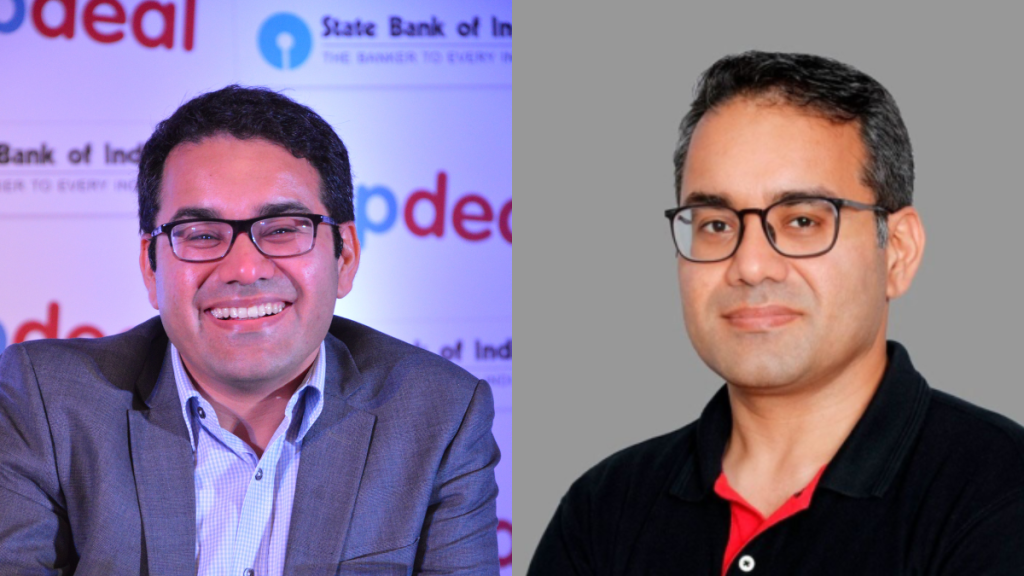
Snapdeal co-founder Kunal Bahl has once again sparked a debate about the hospitality industry, this time highlighting steep hotel laundry charges. During a recent work trip, Bahl handed over seven basic garments for laundry at his hotel. The total bill came to ₹5,900, excluding taxes — which works out to over ₹800 per piece. Sharing a photo of the bill on social media platform X, the Delhi-based entrepreneur described the pricing as another example of hotels being “out of touch” with evolving consumer expectations. He did not name the hotel but raised broader concerns about value for money.
Questions Over Pricing and Consumer Value
Bahl pointed out that some of the garments he sent for cleaning cost less than the laundry charges themselves. He suggested that the pricing model fails to reflect changing consumer behaviour and increased competition from alternative service providers. Earlier, he had also commented on hotel guests preferring to order food from delivery apps instead of dining in-house. This time, he questioned whether hotels risk alienating guests with excessive add-on costs. His post quickly gained traction, with many users sharing similar experiences from their travels.
Quick Commerce for Laundry?
Interestingly, Bahl floated a startup idea in his post. He asked whether founders are building a quick-commerce model for laundry, similar to grocery delivery services. The suggestion triggered mixed reactions online. Some users supported the concept and said they would gladly pay for a convenient, tech-driven laundry solution during travel. Others, however, doubted its viability. Critics argued that if high-frequency businesses like food delivery struggle with profitability, laundry quick commerce may face even greater challenges. The debate reflected wider questions about innovation and margins in India’s service economy.
Online Reactions and Industry Reflection
Social media users responded with humour and criticism. One user joked that the garments might have received “exclusive artisanal hand washing,” while another claimed the pricing discouraged customers from using hotel laundry services altogether. Despite the sarcasm, many agreed that hospitality brands must reassess their pricing strategies. As travel rebounds and consumer awareness grows, guests increasingly compare hotel services with external options. Bahl’s post has therefore reignited discussion about transparency, pricing fairness, and digital disruption in hospitality.