Energy infrastructure under fire as global tensions surge
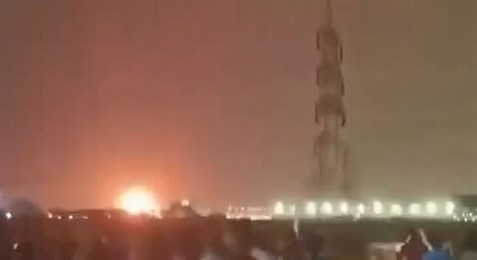
As the US-Iran war entered its 20th day, the conflict intensified across the Middle East, raising fresh fears of a global energy and security crisis. Iranian missile strikes caused extensive damage to key LNG facilities in Qatar, prompting sharp reactions from world leaders. US President Donald Trump warned that Iran’s critical South Pars gas field could face destruction if attacks continue on Qatar’s energy infrastructure. The warning came amid growing concerns over disruptions to global LNG supply, as Qatar remains one of the world’s largest exporters of liquefied natural gas.
High-profile killings deepen regional instability
The conflict took a dramatic turn with targeted strikes on senior Iranian leadership. Israeli Defence Minister Israel Katz stated that “significant surprises” lie ahead after Iran’s intelligence minister Esmail Khatib was killed in an overnight strike. Iran strongly condemned the attack, with President Masoud Pezeshkian warning of “uncontrollable consequences” that could engulf the world. Earlier, senior figures including Ali Larijani and General Gholam Reza Soleimani were also killed, signaling a sustained campaign against Iran’s top leadership.
Diplomatic efforts clash with military escalation
Despite the escalation, global leaders are pushing for restraint. French President Emmanuel Macron revealed he held discussions with Donald Trump and Qatar’s leadership, urging an immediate halt to attacks on civilian infrastructure. He emphasized the need for a moratorium on strikes targeting essential services such as energy and water facilities. However, tensions remain high as both sides continue military operations, underscoring the fragile balance between diplomacy and conflict.
Regional fallout spreads beyond battle zones
The war’s impact is expanding across the region. In Iraq, the Iran-backed group Kataeb Hezbollah announced a temporary pause in attacks on US interests, setting conditions tied to Israeli military actions. Meanwhile, violence has reached the occupied West Bank, where the Palestinian Red Crescent confirmed the deaths of three Palestinian women in an Iranian missile strike—the first such fatalities since the conflict began. As the crisis deepens, fears are mounting that continued attacks on critical infrastructure could trigger widespread instability and long-term disruptions to global energy markets.