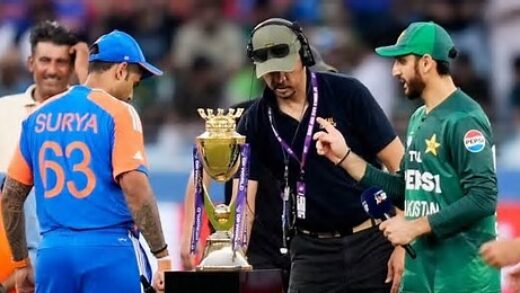
India vs England Semi-Final: Balance Meets Firepower at Wankhede
An India vs England World Cup semi-final rarely feels routine, and this clash at the Wankhede Stadium carries the same weight of history and pressure. India enter as slight favourites thanks to stronger batting consistency and a more balanced bowling attack. While England possess explosive match-winners capable of turning the game in a single session, India have built a more repeatable brand of cricket throughout the tournament. That stability gives them a narrow but meaningful edge before the toss.
India’s Batting Depth vs England’s Volatility
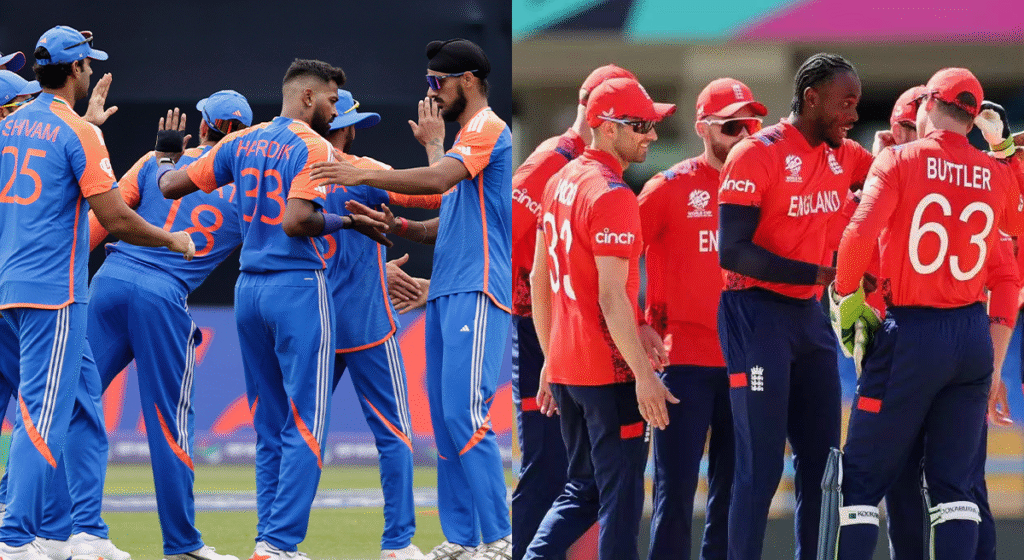
India’s biggest strength lies in contribution spread. Sanju Samson, Suryakumar Yadav, Ishan Kishan and Hardik Pandya have all delivered impactful knocks at high strike rates. As a result, India do not depend on one batter to carry the innings. Instead, multiple players can shift gears across phases. In contrast, England rely heavily on Harry Brook and Will Jacks for momentum. Although their ceiling remains high, inconsistent returns from senior names like Jos Buttler and Phil Salt have forced England into recovery mode too often. Therefore, India’s batting continuity becomes a decisive pre-match advantage.
Wankhede Conditions Favour Tactical Discipline
Venue data adds another layer to the prediction. The average first-innings total at Wankhede this tournament stands around 174, while chasing sides have averaged significantly lower. Moreover, wickets have split almost evenly between pace and spin. This balance rewards teams that control the middle overs and defend par-plus totals effectively. India appear slightly better structured for that script. Their bowling core offers phase control rather than scattered impact, which becomes crucial under scoreboard pressure in knockout cricket.
Bowling Control, Toss Impact and Final Call
England boast variety with Adil Rashid, Jofra Archer and Sam Curran offering multiple wicket-taking options. However, India counter with Jasprit Bumrah’s pressure overs and Varun Chakaravarthy’s middle-phase breakthroughs. Consequently, the toss could tilt probabilities. If India bat first and cross 180, they strengthen their advantage significantly. If England set the target, the contest tightens due to their defensive depth. Overall, analytics project India slightly ahead, roughly 60-40. Still, England retain a clear winning path through early wickets and one explosive batting surge.