India Moves to Acquire 5 More S-400 Air Defence Systems
India has taken a major step to strengthen its air defence network. On Monday, the Defence Procurement Board approved the Indian Air Force’s proposal to purchase five additional S-400 Triumph systems from Russia. Defence Secretary Rajesh Kumar Singh led the meeting. Now, the proposal will move to the Defence Acquisition Council (DAC). Defence Minister Rajnath Singh heads the council. Once the DAC grants Acceptance of Necessity (AoN), officials will begin price negotiations. After that, the Cabinet Committee on Security will take the final decision.
Why the S-400 System Matters
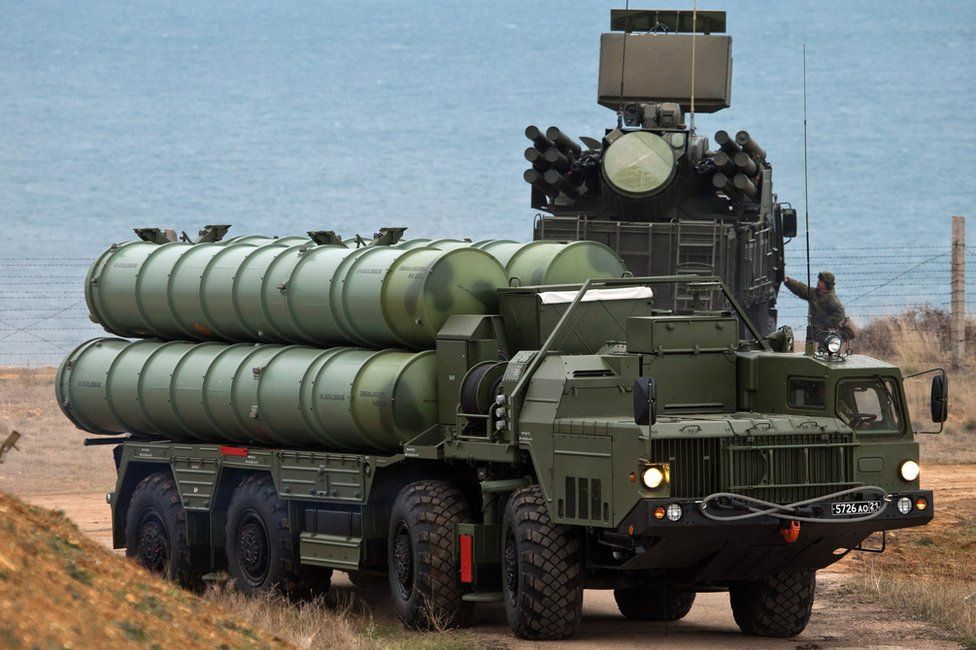
Currently, India operates three S-400 systems, and it expects two more later this year. Therefore, if authorities approve the new proposal, India will eventually deploy 10 systems. The S-400 ranks among the world’s most advanced long-range air defence platforms. It can track and intercept aircraft, cruise missiles, and ballistic missiles. Moreover, it can engage multiple targets at long distances. During Operation Sindoor in May 2025, the system played a crucial role. It strengthened India’s deterrence posture and enhanced airspace security. As a result, the armed forces maintained aerial dominance during the mission.
Pantsir Systems to Strengthen Layered Defence
Meanwhile, the defence ministry is reviewing another proposal to acquire 13 Pantsir-S1 systems. These mobile units counter rockets, drones, and short-range missiles. Notably, the IAF plans to deploy 10 systems to protect the S-400 batteries. In addition, the Army intends to use three units for border defence. Officials may adopt a mixed procurement model. For instance, India could buy some units directly while domestic firms manufacture others under the Make in India initiative. This approach will boost both capability and local industry.
Rising Regional Threats Drive Urgent Action
At the same time, security challenges continue to grow across West Asia and South Asia. Recent conflicts have highlighted the rise of ballistic missiles and kamikaze drones. Consequently, nations now prioritise advanced air defence networks. India’s 11,000-kilometre coastline and sensitive borders increase its vulnerability. Furthermore, the spread of low-cost drones and long-range missiles adds new risks. Therefore, defence planners aim to build a strong layered shield. If leaders clear the deal, the expanded S-400 fleet will significantly enhance India’s strategic deterrence and national security preparedness.