AI Outreach Backfires for Startup Founder
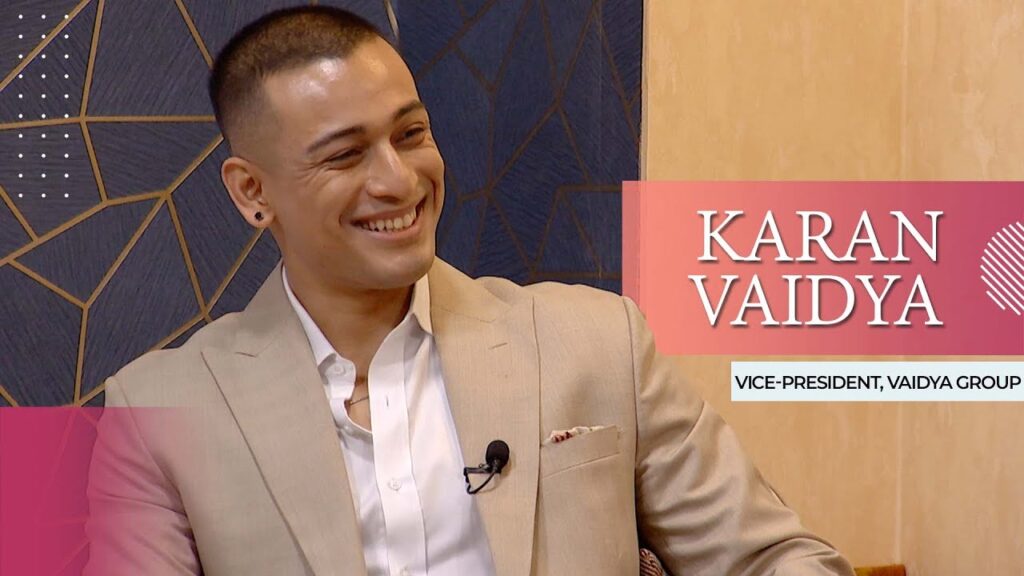
A UK-based software engineer has sparked an online debate after publicly refusing a meeting request from an IIT-educated startup founder, calling out the use of an AI-written email. Dmitrii Kovanikov, a senior developer based in London, shared a screenshot on X showing a cold email sent to him by an AI assistant named “Jarvis”, reportedly acting on behalf of Karan Vaidya, co-founder of the San Francisco-based startup Composio. The email promoted the company’s work in AI agent infrastructure and asked Kovanikov if he would be open to a quick call.
Jarvis Email Pitch Promotes Composio’s AI Agent Infrastructure
In the message, Jarvis introduced itself as Vaidya’s AI assistant and described Composio as a platform that helps AI models connect with real-world applications like GitHub, Gmail, and other tools. The email positioned the company as a “tool execution and MCP layer for AI agents,” highlighting its wide integrations and funding background. It also mentioned that Composio was looking for engineers familiar with the “agentic coding stack,” including technologies such as Claude Code, Codex, MCP, and agent infrastructure. The outreach aimed to attract high-level developers with a fast-building mindset.
Engineer’s Viral Reply Sparks Strong Reaction
However, Kovanikov did not respond privately. Instead, he posted a blunt rejection online, suggesting that the founder’s AI-generated outreach showed a lack of effort. “If you don’t have the time to even write a cold email, I definitely won’t have time for a quick call,” he wrote, triggering massive engagement. His post quickly went viral, with many users supporting his stance and calling AI-written professional emails “lazy” and “impersonal.” Several commenters argued that outreach emails should reflect genuine human effort, especially when seeking talent.
Internet Divided Over AI Use in Professional Communication
The incident has reignited discussion over how far AI should be used in workplace communication. Some users said the founder should not have openly mentioned that the email came from an AI assistant, claiming it weakened credibility. Others suggested using email filters to automatically flag or block AI-generated outreach messages. While many criticized the approach, others defended AI tools as a time-saving method in fast-moving startup culture. The debate highlights a growing tension in the tech world: AI may improve efficiency, but authenticity still matters when building professional connections.