Ex-ICC Official Links T20 World Cup Crisis to BCCI Decision
Former ICC head of communications Sami-ul-Hasan Burney has traced the ongoing T20 World Cup turmoil to the BCCI’s handling of Bangladesh pacer Mustafizur Rahman’s IPL exit. According to Burney, the controversy could have been avoided with a more discreet approach. Speaking to PTI, he said the decision triggered a chain reaction that destabilised the tournament. Eventually, the crisis led to Bangladesh’s removal and Pakistan’s partial boycott of the event. Burney described the episode as an “error of judgment” that escalated unnecessarily.
Mustafizur’s IPL Exit Sparked Diplomatic Fallout
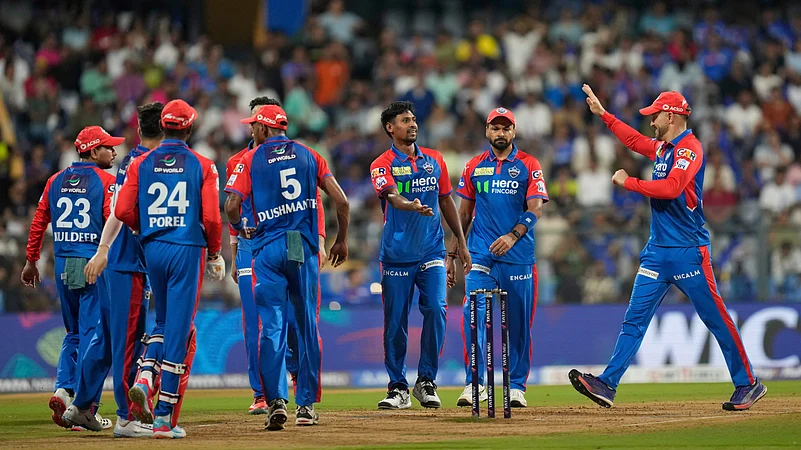
The controversy began on January 3 amid heightened regional tensions. At the time, a BCCI directive resulted in Kolkata Knight Riders releasing Mustafizur Rahman from their IPL squad. Notably, the decision came without a public explanation. As a result, the move sparked strong backlash in Bangladesh. The Bangladeshi government responded by banning IPL telecasts. Meanwhile, the Bangladesh Cricket Board urged the ICC to move their T20 World Cup group matches out of India. According to Burney, the announcement itself intensified the crisis.
ICC Decision Leads to Bangladesh’s Removal
However, the ICC declined to accommodate Bangladesh’s request. With both sides refusing to back down, the impasse deepened. Ultimately, the governing body removed Bangladesh from the T20 World Cup and named Scotland as their replacement. The decision marked an unprecedented moment in tournament history. Moreover, it drew criticism from several quarters. Burney argued that the situation spiralled because early communication was mishandled. He stressed that the matter could have ended quietly without international fallout.
Pakistan Reacts, Ex-ICC Official Flags ‘Judgment Error’
Pakistan emerged as the only full ICC member to publicly support Bangladesh’s concerns. The Pakistan Cricket Board accused the ICC of applying “double standards.” It cited the ICC’s earlier accommodation of India’s refusal to travel to Pakistan for the Champions Trophy. As tensions grew, Pakistan threatened to review its World Cup participation. Eventually, the Pakistani government allowed the team to compete. However, it barred Pakistan from playing India in the Group A match scheduled for February 15 in Colombo. Reflecting on the crisis, Burney said the BCCI should have acted privately. “They didn’t need to say it publicly,” he said. According to him, a discreet directive would have prevented the turmoil.