NASA Artemis II Moon Mission Explained: Why This Historic Flight Matters After 50 Years
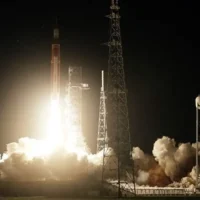
After more than five decades, the United States has launched astronauts toward the Moon through NASA’s Artemis II mission. This mission marks the return of NASA’s crewed lunar programme. The 32-story SLS rocket carried four astronauts into space. Before liftoff, launch director Charlie Blackwell-Thompson told the crew, “Good luck, Godspeed Artemis II. Let’s go.” As a result, the launch has become a major moment in modern space history.
Artemis II Starts a New Era of Crewed Moon Missions
Artemis II is the first crewed mission under NASA’s Artemis programme. Unlike earlier test flights, this mission sends astronauts around the Moon. It will test the spacecraft systems in real deep-space conditions. Moreover, it will help NASA confirm safety procedures and mission readiness. This mission also builds confidence for the next stage of lunar exploration.
Why Artemis II Matters for Moon Landings and Mars Missions
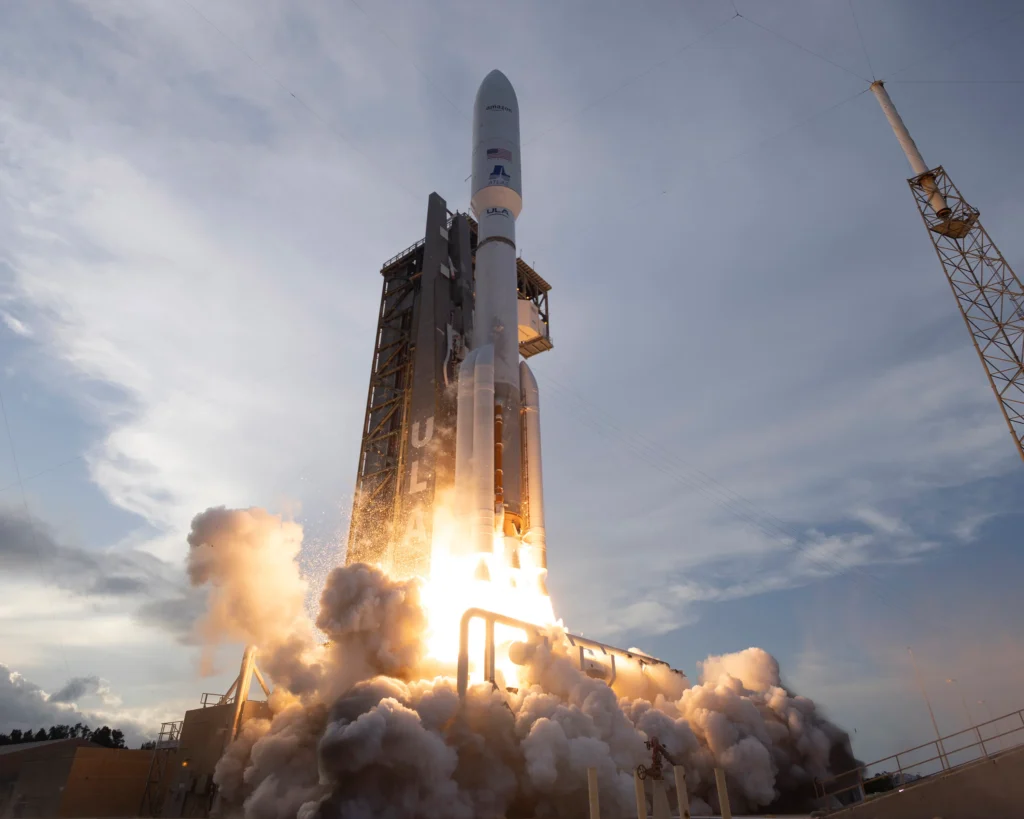
NASA considers Artemis II a key step toward a long-term return to the Moon. The mission will test navigation, communication, and life-support systems. In addition, it will check how astronauts perform during long space travel. These results will support future Moon landings. Most importantly, NASA will use Artemis missions to prepare for future Mars exploration.
A Mission Seen as a ‘Story of Humanity’
Artemis II also highlights diversity and representation in space travel. NASA sees this mission as a symbol of human progress. Therefore, the flight carries importance beyond science and technology. It shows NASA’s vision for a future where space exploration includes everyone. With Artemis II underway, NASA now moves closer to landing humans on the Moon again.