Shehzad Criticizes PCB After T20 WC and ODI Losses
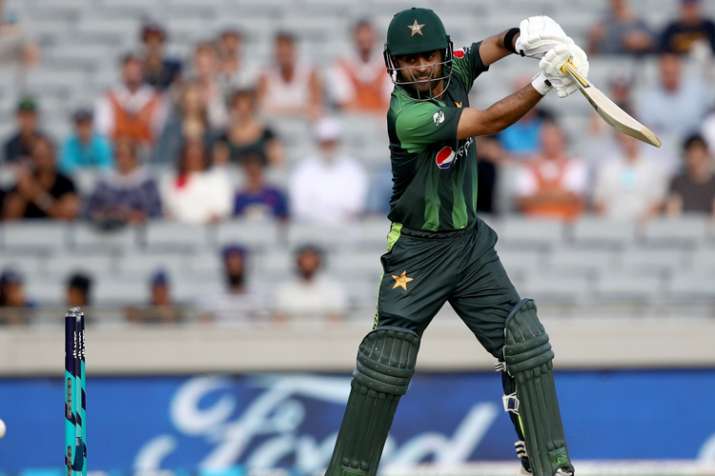
Pakistan cricket is facing intense criticism after another disappointing run. The team exited the Super Eight stage in the T20 World Cup 2026 and lost the ODI series 1-2 in Bangladesh. Former opener Ahmed Shehzad attacked the Pakistan Cricket Board (PCB), arguing that the board empowered a small group of star players without ensuring accountability. He claimed this over-reliance has weakened both the team and the PCB itself.
Player-First Culture Under Fire
Shehzad accused PCB of prioritizing player image over results. “You invested in these six to eight boys, gave them captaincies in PSL, endorsed them commercially, and handed over the Pakistan cricket team,” he said. He argued that despite years of promotion and sponsorship, the group has failed to deliver victories consistently. The criticism highlights a recurring problem: Pakistan cricket promotes star players but delays introducing new talent.
PCB Appears Weak, Unable to Enforce Authority
The former opener further criticized the players themselves. He claimed they refuse to accept responsibility for losses and engage in blame-shifting. “Not a single player admits they are responsible. Their ego is so high that the PCB now appears weak,” Shehzad said. He added that the board seems to “kneel before players” instead of enforcing rules or bringing in fresh talent. According to him, this failure to assert authority is more dangerous than on-field defeats.
Structural Issues Behind Pakistan Cricket’s Decline
Shehzad’s comments point to a systemic issue. The PCB markets a small group as the team’s pillars, builds commercial value around them, and delays team renewal. As a result, the organization struggles to maintain control or direction. Fans and critics now question whether Pakistan cricket can reform itself without addressing the imbalance of power between the board and star players. Shehzad concluded that unless the PCB enforces accountability and nurtures new talent, Pakistan cricket may continue its cycle of hype, disappointment, and internal backlash.