First Oil Shipment Reaches India Amid Gulf Tensions
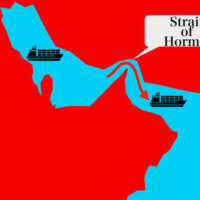
India received its first crude oil tanker through the strategic Strait of Hormuz since the Iran-US conflict disrupted maritime traffic. The vessel arrived at Mumbai Port on Wednesday after navigating one of the world’s most sensitive energy corridors. Shipping activity in the region slowed sharply after military tensions and attacks on merchant vessels raised security concerns. The strait carries nearly 20% of global oil supplies, making it a critical route for international energy trade.
Shenlong Tanker’s Journey from Saudi Arabia
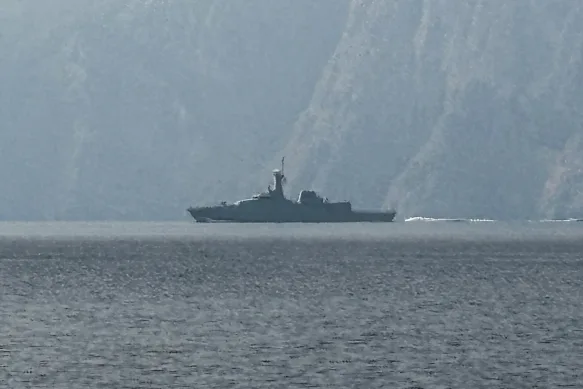
The Liberia-flagged tanker Shenlong Suezmax loaded crude oil at Ras Tanura on March 1. The ship departed two days later and sailed toward India. Maritime tracking firms recorded its last signal inside the Strait of Hormuz on March 8. During the risky passage, the crew switched off the ship’s Automatic Identification System to avoid detection. Ships often use this method when they cross conflict zones. The tanker later reappeared on tracking systems on March 9, confirming it had safely crossed the volatile waterway.
Tanker Berths at Mumbai Port
The vessel reached Mumbai around 1 pm and docked later at Jawahar Dweep terminal. Officials from the Mumbai Port Authority confirmed the tanker carried about 135,335 metric tonnes of crude oil. Workers began unloading the cargo soon after docking. Refineries in Mahul, eastern Mumbai, will process the crude. The tanker belongs to Shenlong Shipping Ltd and Athens-based Dynacom Tanker Management manages it. The ship has 29 crew members from India, Pakistan, and the Philippines. Captain Sukshant Singh Sandhu commands the vessel.
Energy Security Concerns Remain
The tanker’s arrival brings relief for India, the world’s third-largest oil consumer. A large share of India’s crude and gas imports moves through the Strait of Hormuz. Any disruption there threatens energy supply and fuel prices. According to India’s Directorate General of Shipping, many Indian vessels remained near the region when the conflict began. Some ships have already moved toward safer waters in the Arabian Sea. Authorities have not banned the route. However, they advise ship operators to assess risks carefully before sailing through the tense corridor.