Prime Minister Narendra Modi will begin a two-day state visit to Israel on Wednesday. He aims to deepen cooperation in defence, security, technology, agriculture, and trade. The visit will further strengthen the strategic partnership between the two nations.
The Ministry of External Affairs (MEA) said Modi will focus on defence and security cooperation. He will also push collaboration in science, innovation, water management, and economic ties. In addition, both sides will work to boost people-to-people exchanges.
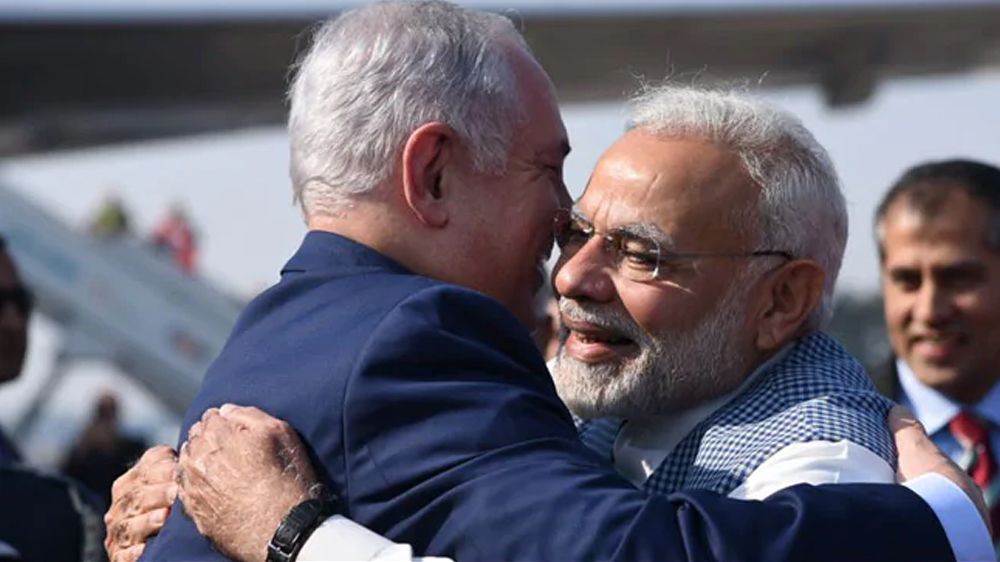
This marks Modi’s second visit to Israel in nine years. He elevated ties to a “strategic partnership” during his 2017 visit to Tel Aviv.
Key Meetings and Knesset Address
Modi will address Israel’s parliament, the Knesset, during the trip. He will also hold delegation-level talks with Israeli Prime Minister Benjamin Netanyahu. The two leaders will review progress in defence and technology. They will also discuss regional and global developments.
Moreover, Modi will meet Israeli President Isaac Herzog.
Focus on Defence and Technology
India and Israel plan to sign several memoranda of understanding. However, officials have not announced any major defence deal yet. Still, Israel has agreed to share advanced defence technologies with India.
Last November, both countries signed an MoU to expand military cooperation. The agreement promotes joint development and co-production of defence systems. It also encourages collaboration in AI, cyber security, research, and innovation.
During Operation Sindoor in May 2025, India used several Israeli-origin weapons. After the operation, India moved quickly to replenish its defence stocks.
Balancing Strategic and Global Priorities
Recently, India joined over 100 countries in condemning Israel’s expansion of settlements in the West Bank. The move reflects New Delhi’s long-standing support for a two-state solution and Palestinian rights. At the same time, India continues to strengthen its ties with Israel.
Overall, Modi’s visit will reaffirm the deep partnership between the two democracies. It will also help both nations explore new areas of cooperation and address shared global challenges.