Gold and silver prices declined on Tuesday after recording gains in the previous two sessions. The fall came as the US dollar strengthened from a more than one-week low. Investors remained cautious while awaiting key US jobs and inflation data due later this week. These reports are expected to influence future interest rate decisions. Spot gold dropped nearly 1% to $5,016.56 per ounce in early Asian trade. On Monday, the metal had gained around 2% after the dollar weakened. Gold had earlier touched a record high of $5,594.82 per ounce on January 29, according to Reuters.
Recent Performance of Gold and Silver
In recent weeks, precious metals have shown sharp fluctuations. After hitting record highs in late January, prices corrected due to profit booking. Gold fell nearly 11% from its January peak by the end of last week. However, it still remains up nearly 15% for the year so far. Meanwhile, gold later recovered slightly to $5,028.77 per ounce in Singapore trade. Silver also showed strength, rising 1.7% to $79.18. These movements reflect changing global economic signals and investor sentiment.
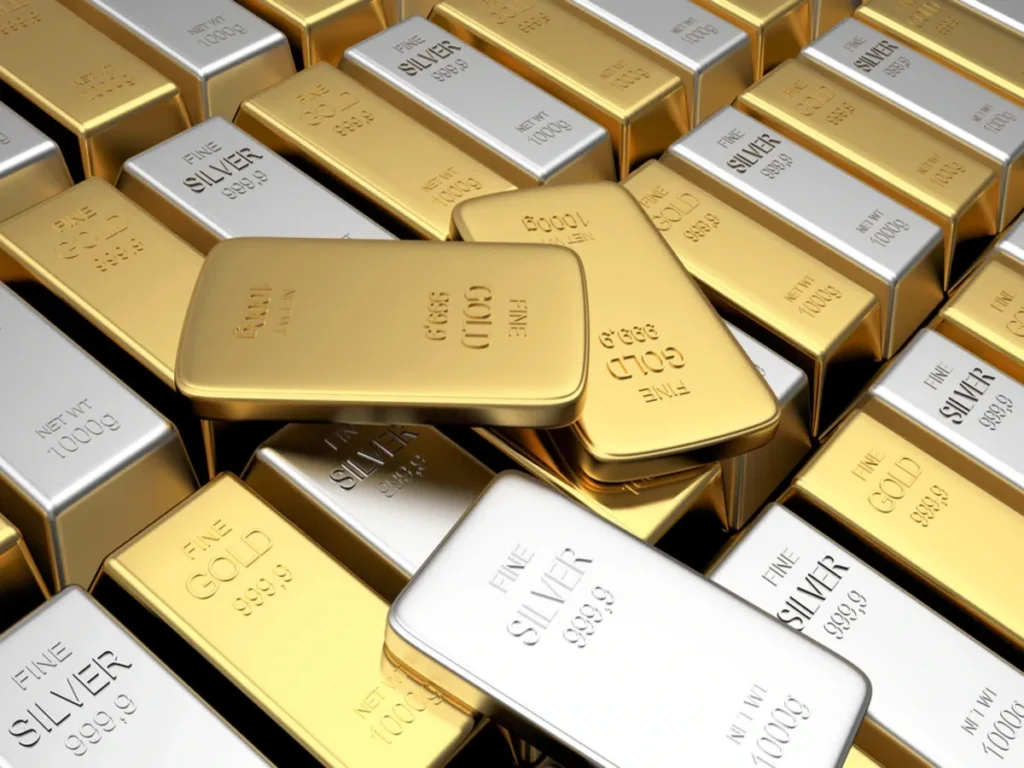
Why Gold Remains a Preferred Investment
Despite short-term volatility, gold continues to attract long-term investors. It is widely considered a safe-haven asset during economic uncertainty. Moreover, gold protects purchasing power during periods of high inflation. Many investors also use gold to diversify their portfolios and reduce overall risk. In times of market instability, demand for gold usually rises. Therefore, financial experts often recommend allocating a portion of savings to this precious metal.
Silver Investment and Price Factors in India
Silver also remains popular among Indian investors and jewellery buyers. It enjoys steady demand across industrial and ornamental sectors. Since silver is more affordable than gold, it attracts small and first-time investors. Limited availability may also push prices higher in the future. In India, gold and silver rates depend on multiple factors. These include import duties, state taxes, transportation costs, and local demand. Bullion associations and currency movements also influence daily prices. As a result, rates vary across cities such as Delhi and Mumbai.