India Match Boycott Reveals Skewed Priorities
Pakistan’s fixation with India once again took centre stage on February 1, raising serious questions about its cricketing priorities. On the same day Pakistan’s U19 team surrendered meekly to India in a must-win World Cup Super Six match, the Pakistan government announced that the senior men’s team would boycott the India clash at the upcoming T20 World Cup. The timing exposed a troubling pattern. Instead of focusing on performance and progress, Pakistan chose symbolism over substance. While officials framed the move as solidarity with Bangladesh, the underlying motive appeared aimed squarely at hurting India and the BCCI.
‘Bangladesh Solidarity’ or Strategic Distraction?
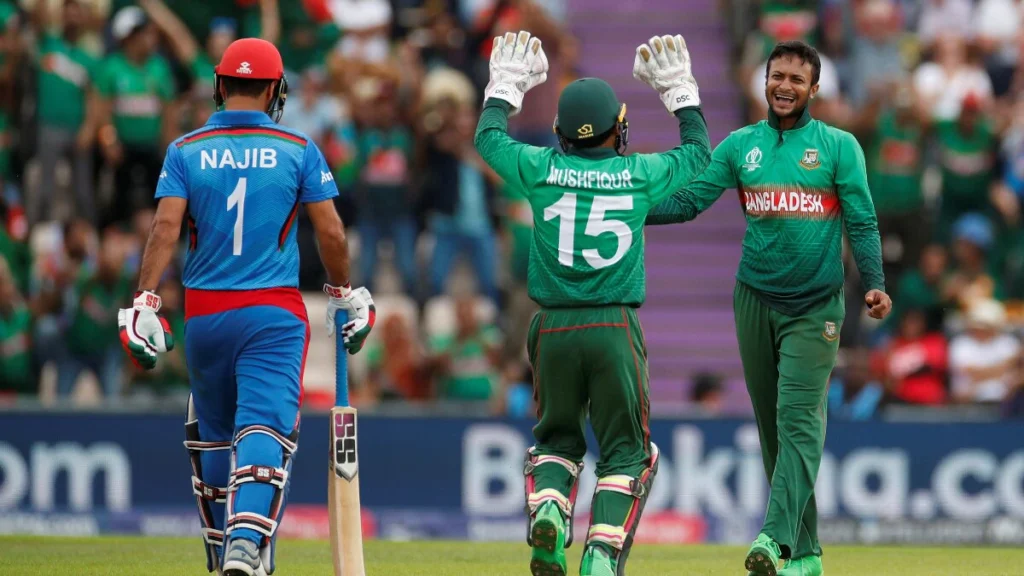
Pakistan’s leadership reacted more strongly to Bangladesh’s removal from the T20 World Cup than Bangladesh itself. The ICC replaced Bangladesh with Scotland after Dhaka refused to travel to India over security concerns. Pakistan saw the move as unfair and escalated the issue. However, the decision to skip the India match in Colombo—a neutral venue—undermines Pakistan’s moral argument. By targeting the marquee India clash, Pakistan revealed that its real grievance lay with the ICC and BCCI, not tournament fairness. This strategy may grab headlines, but it weakens Pakistan’s credibility.
ICC Sanctions Could Deliver a Crushing Blow
By refusing to play India, Pakistan risks violating ICC tournament regulations. The consequences could be severe. The ICC may impose fines, deduct points, or even bar Pakistan from the competition. More importantly, the PCB depends heavily on ICC revenue, unlike the BCCI, which thrives on IPL and bilateral earnings. A prolonged standoff could lead to withheld funds, broadcaster lawsuits, and restrictions on hosting future international matches. Even the Pakistan Super League could suffer if foreign players stay away. In trying to challenge the ICC, Pakistan risks destabilising its entire cricket ecosystem.
Hurting Itself More Than Anyone Else
Financially, Pakistan stands to lose far more than India. India-Pakistan matches contribute only a small fraction to India’s cricket revenue. For Pakistan, ICC distributions form a major lifeline. A forfeited match would also damage Pakistan’s net run rate, hurting its chances of advancing in the T20 World Cup. History shows that Pakistan never boycotted India in previous tournaments despite stronger reasons. This sudden hardline stance appears opportunistic and poorly timed. Instead of strengthening its position, Pakistan may have chosen a path that weakens its team, its board, and its future in global cricket.