India’s External Aid Reset in Budget 2026-27 Signals Strategic Shift
India’s Budget 2026-27 marks a reset in its external development assistance policy. The government cut funding for Iran’s Chabahar port to zero. It also halved aid to Bangladesh. These moves reflect geopolitical pressure and strained bilateral ties. Meanwhile, Bhutan retained its position as India’s largest aid recipient, highlighting New Delhi’s continued regional focus.
Chabahar Port Allocation Dropped to Zero
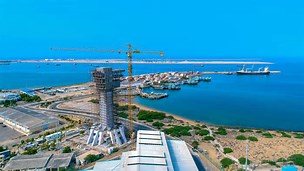
The Centre removed the Chabahar port allocation for 2026-27. Last year, the revised estimate stood at ₹400 crore. Officials linked the cut to ongoing US sanctions on Iran. A temporary exemption granted in 2025 remains valid only until April. As a result, India opted for caution. Despite its strategic importance, the project now faces uncertainty.
Bangladesh Aid Cut Reflects Diplomatic Strain
India reduced development assistance to Bangladesh from ₹120 crore to ₹60 crore. The cut comes amid strained ties with Dhaka’s interim government. Relations have seen a steady downturn in recent months. However, officials expect a possible reset after Bangladesh’s general election on February 12. The reduction signals restraint, not disengagement.
Bhutan Leads as Neighbourhood Focus Continues
Bhutan again received the highest external aid allocation at ₹2,288 crore. This marks a slight rise from ₹2,150 crore last year. The Ministry of External Affairs received ₹22,119 crore overall. Overseas development assistance accounts for ₹6,998 crore of this total. Other key allocations include Nepal (₹800 crore), Maldives and Mauritius (₹550 crore each), Sri Lanka (₹400 crore), African nations (₹225 crore), and Latin America (₹120 crore). Together, these figures reaffirm India’s neighbourhood-first approach.