PCB Keeps India Match Boycott Option Open Ahead of T20 World Cup
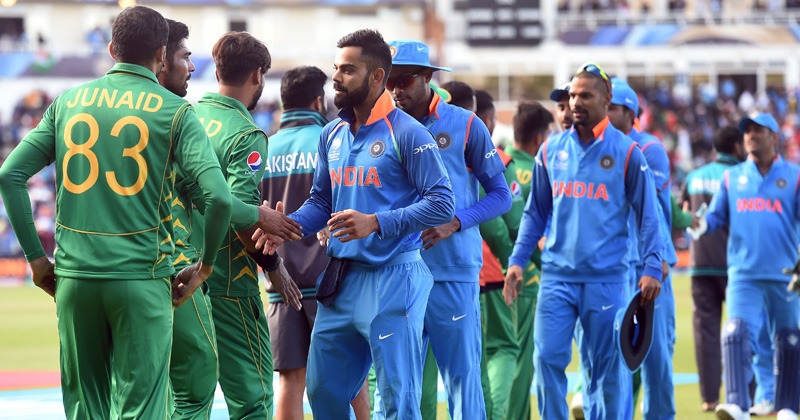
The Pakistan Cricket Board (PCB) continues to keep the option of boycotting the India match open at the upcoming T20 World Cup. The discussion now centres on forfeiting the February 15 Group A clash rather than withdrawing from the entire tournament. According to a fresh report, the PCB is carefully weighing the political, legal, and financial consequences of such a move. The board has yet to receive a final, binding directive from the Pakistan government, which remains key to the decision.
High-Level Political Consultations Underway
A report by Telecom Asia Sport revealed that PCB chairman Mohsin Naqvi recently held a detailed meeting with the Prime Minister. During the meeting, both sides reviewed all possible options. Naqvi is seeking direction at the highest political level before the government takes a final call. Officials expect a decision either by Friday or early next week. Sources also confirmed that Naqvi consulted President Asif Ali Zardari during an ongoing visit to the United Arab Emirates. He is also expected to speak with former PCB chairmen in the coming days.
Decision May Depend on First Two Matches
Sources within the PCB said discussions now focus on the India match rather than a full tournament boycott. Pakistan are scheduled to play the Netherlands on February 7 and the USA on February 10. The board plans to review the team’s performance in these two matches before deciding on the India fixture. “If Pakistan win both games, the chances of forfeiting the India match will increase,” a source said. The PCB believes early results could shape both sporting and strategic considerations.
Legal and Financial Risks Loom Large
The PCB is also factoring in serious legal and financial risks tied to any boycott. Legal advisers have warned Naqvi about a $3 billion broadcast deal with JioStar Sports, which runs until 2027. The agreement distributes revenue among all ICC member boards. The India-Pakistan match remains the tournament’s biggest revenue driver. A boycott could prompt the broadcaster to seek legal compensation from the ICC. In turn, the ICC could issue a notice to the PCB. Such a scenario could reduce annual funding for all member boards, creating wider fallout beyond the World Cup.