Supreme Leader Moves to Underground Shelter
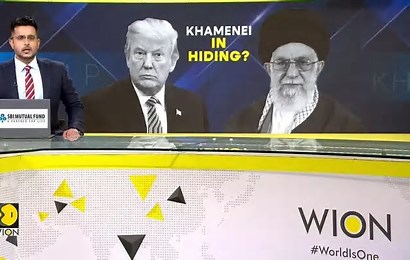
Iran-US tensions rose sharply after reports said Iran’s Supreme Leader Ayatollah Ali Khamenei moved to a fortified underground shelter in Tehran. Sources quoted by Iran International said the facility includes reinforced tunnels built to survive air strikes. The move reflects growing fears of a possible US attack. At the same time, Masoud Khamenei, the supreme leader’s third son, has reportedly taken charge of daily operations at his father’s office. He now acts as the main channel between the supreme leader and Iran’s executive branches. This shift suggests tighter internal control as the crisis deepens.
Military Rhetoric Escalates on Both Sides
Meanwhile, Iran’s military leadership responded sharply to Washington’s warnings. IRGC Aerospace Force commander Brigadier General Majid Mousavi dismissed US President Donald Trump’s remarks. He said Trump “talks a lot” and would get his answers “on the ground,” according to Tehran Times. Earlier, Trump announced that US naval warships were moving closer to the region. He said the move was precautionary. Soon after, IRGC commander Gen Mohammad Pakpour said Iranian forces were “finger on the trigger” and ready to act. As a result, fears of a direct military confrontation have increased across the Middle East.
Protest Death Claims Add Global Pressure
At the same time, fresh allegations over Iran’s January protest crackdown intensified international scrutiny. Classified documents cited by Iran International claim more than 36,500 people were killed by security forces during protests on January 8 and 9. In addition, medical reports and images reviewed by the platform suggest cases of extrajudicial killings in Tehran. Iranian authorities have not confirmed these figures. However, rights groups continue to demand independent investigations. Consequently, Iran’s human rights record has once again come under global focus amid rising geopolitical tensions.
Iran Thanks India Amid Diplomatic Strain
Amid the standoff with the United States, Iran issued a rare public thank-you to India. Ambassador Mohammad Fathali praised New Delhi for opposing a UN Human Rights Council resolution seeking greater scrutiny of Iran. He called India’s vote “principled and firm.” The vote came during heightened Iran-US tensions and renewed focus on Tehran’s handling of protests. The unrest began in late December over economic hardship and a falling rial. Authorities imposed the longest internet blackout in Iran’s history. Although some restrictions were later eased, tensions surged again after Trump’s latest military remarks.