US Engagement With Jamaat Sparks Regional Concerns
The United States is seeking closer engagement with Bangladesh’s once-banned Jamaat-e-Islami ahead of next month’s general elections, according to a report by The Washington Post. The development has triggered concern in India, where former Bangladesh prime minister Sheikh Hasina has been living in exile since her ouster in 2024. Audio recordings cited in the report suggest US diplomats believe the Islamist party will perform better than ever in the February 12 polls. A US diplomat reportedly described Jamaat as a potential “friend” and urged Bangladeshi journalists to give the party more media coverage. The comments came during a closed-door meeting in Dhaka in December.
Yunus Government, Hasina’s Criticism, and US Stand
Bangladesh’s interim government, led by Nobel laureate Muhammad Yunus, has overseen preparations for the election. Sheikh Hasina recently criticised Yunus, calling his administration “fascist” during an online address from Delhi. Her party, the Awami League, has termed the upcoming election “one-sided” and “meaningless”. The US embassy has acknowledged the meeting but denied favouring any political group. Embassy spokesperson Monica Shie said the discussion was routine and off the record. Jamaat-e-Islami also declined to comment on the remarks reportedly made during the meeting.
Why Jamaat-e-Islami Alarms India
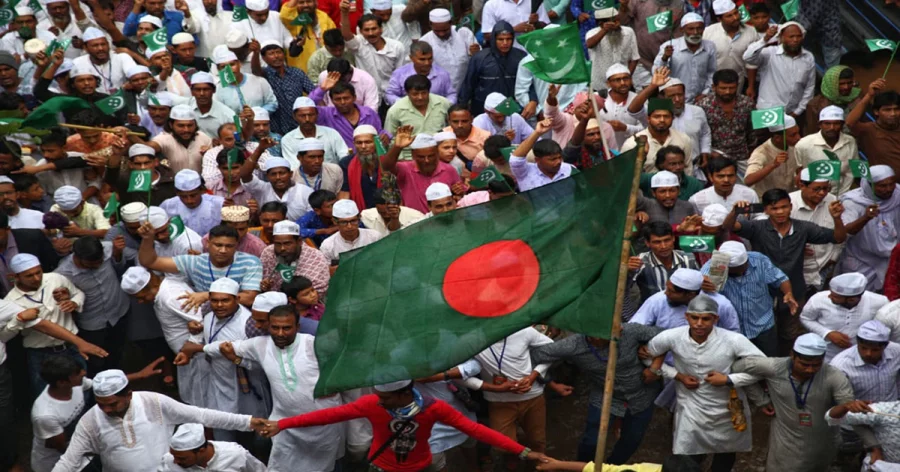
Jamaat-e-Islami remains a major concern for India due to its past links with radical politics and its perceived closeness to Pakistan. The party was banned several times under Hasina’s rule for its strict religious positions. Since her removal, Jamaat has tried to rebrand itself as an anti-corruption force. Analysts warn that its growing influence could reshape Bangladesh’s politics. Michael Kugelman of the Atlantic Council said US engagement with Jamaat could deepen strains in India-US relations. India views the party as a threat to regional security and stability.
Strained India-Bangladesh Ties Spill Into Sports and Diplomacy
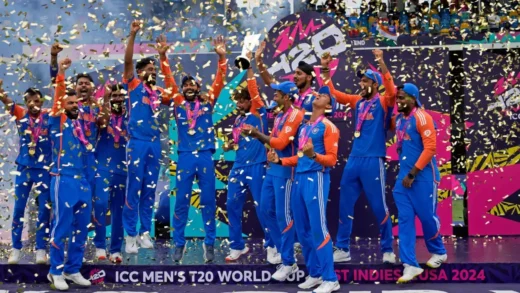
India-Bangladesh relations have worsened since Hasina’s exit. New Delhi has raised concerns over attacks on minorities in Bangladesh. Visa services remain suspended on both sides. Tensions have also reached the cricket field. Bangladesh recently refused to send its team to India for the T20 World Cup, citing political pressure. The US has downplayed the impact of Bangladesh’s elections on India-US ties. However, observers say Washington’s outreach to Jamaat adds a new layer of complexity to an already fragile regional equation.