Court Clears Religious Prayers on Basant Panchami
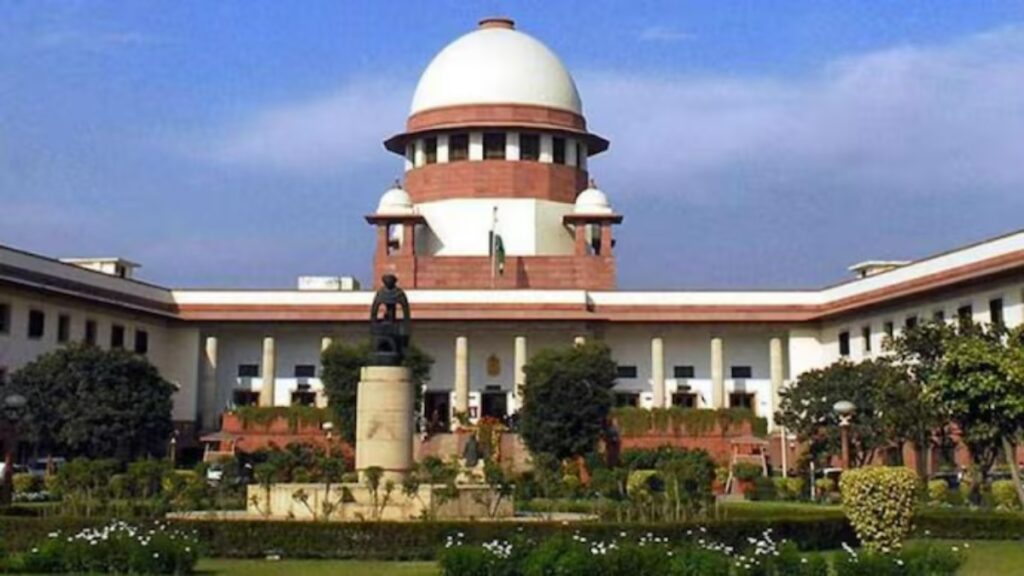
On Friday, the Supreme Court allowed both Hindu and Muslim prayers at the disputed Bhojshala–Kamal Maula complex in Madhya Pradesh’s Dhar district. Notably, Hindus can perform prayers from sunrise to sunset on Basant Panchami. Meanwhile, Muslims can offer namaz between 1 pm and 3 pm on the same day. As both communities sought permission for January 23, the court stepped in to ensure a balanced arrangement for Saraswati Puja celebrations.
Administration Directed to Maintain Law and Order
Meanwhile, the apex court directed the district administration to ensure strong law and order arrangements at the site. Accordingly, a bench led by Chief Justice of India Surya Kant urged both communities to cooperate with officials. Furthermore, the court emphasized mutual respect and peaceful conduct. As a result, authorities will deploy police forces and senior officers across the Bhojshala complex to prevent any disturbance.
Submission of Namaz Attendees List Made Mandatory
Earlier, the Supreme Court asked the Muslim community to submit a list of people intending to offer namaz at the site. Consequently, officials said the step would help manage crowds and strengthen security. In addition, the administration increased surveillance around the monument. Therefore, authorities will regulate entry points during prayer hours to avoid congestion and ensure safety.
Background of the Long-Standing Bhojshala Dispute
The Bhojshala complex remains an 11th-century monument protected by the Archaeological Survey of India. Historically, Hindus consider the site a temple dedicated to Goddess Saraswati. In contrast, Muslims identify it as the Kamal Maula mosque. Over the years, the dispute has persisted since the early 1990s. Subsequently, in 2003, the ASI allowed Hindu prayers on Tuesdays and Muslim namaz on Fridays. Now, under the latest Supreme Court order, officials expect prayers on Basant Panchami to take place peacefully.