Polluted outdoor air freely enters homes, schools and hospitals
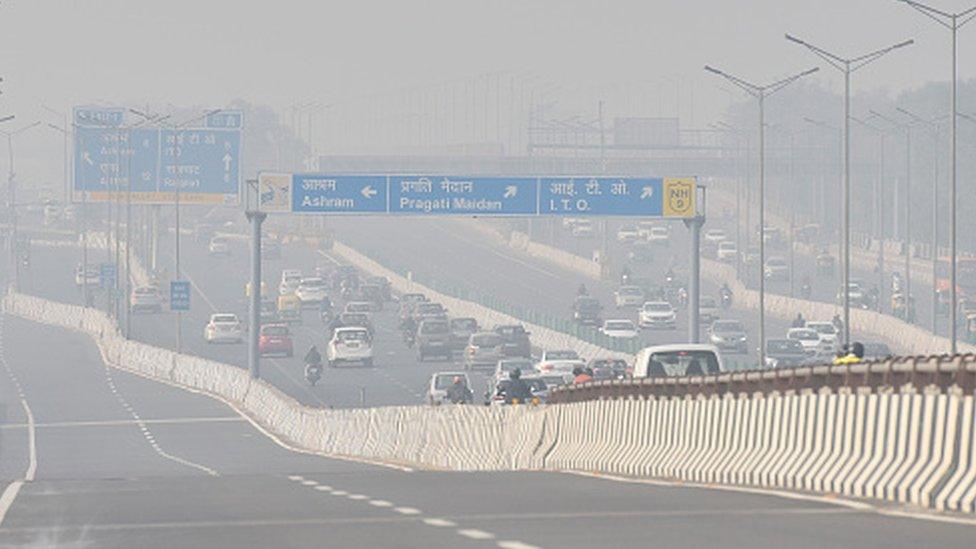
For years, millions of Delhi residents have believed that closing doors and windows keeps toxic air outside. However, a week-long field experiment by Hindustan Times has exposed this assumption as false. The study clearly shows that the divide between outdoor and indoor air is fragile. In fact, polluted air seeps indoors through ventilation systems, open entryways, and structural leakages. As a result, indoor spaces across Delhi often record pollution levels nearly as high as those outdoors, offering little real protection during severe smog episodes.
Moreover, schools and hospitals fail as protective spaces
More troublingly, the findings reveal that schools and hospitals do not act as safe havens. To understand the extent of exposure, HT reporters tracked PM2.5 levels at a private school, a major hospital, and a residential home from January 14 to 20. Notably, pollution levels at schools and hospitals exceeded national safety limits by seven to eight times for most of the week. Therefore, children, newborns, and critically ill patients continued to breathe dangerously polluted air, despite spending most of their day indoors.
Meanwhile, indoor readings closely mirror outdoor pollution
At the Rohini school, outdoor PM2.5 levels ranged from 246 µg/m³ to 502 µg/m³. Even indoors, classrooms showed minimal improvement. On several days, indoor levels stayed above 190 µg/m³, despite slight dips outside. Consequently, on the worst day, classroom air reached 432 µg/m³, more than seven times the safe limit. Similarly, conditions at AIIMS Delhi were equally alarming. PM2.5 levels inside cancer wards and mother-and-child wards mostly stayed between 200 and 300 µg/m³, while crowded OPD areas recorded sharp spikes above 430 µg/m³. Additionally, deeper interiors failed to show meaningful reduction, indicating unrestricted circulation of polluted air.
In contrast, air purifiers provide limited but real relief
By contrast, the only safe readings came from a residential home in Vikaspuri where an air purifier operated continuously. Here, PM2.5 levels dropped to 18 µg/m³, well within national and WHO limits. According to experts, this highlights a harsh truth. “When outdoor concentrations rise, pollution diffuses indoors,” said Dr Rakesh Kumar, president of the Society for Indoor Environment. Ultimately, environmental activists stressed that indoor solutions offer only temporary relief. Unless outdoor air improves, they warned, Delhi’s residents remain trapped in a city-wide public health emergency—indoors or out.