Tensions Spill Onto Field During U19 World Cup Clash
Diplomatic and political tensions between India and Bangladesh spilled onto the cricket field during their Under-19 World Cup Group B match on Saturday. The incident occurred at the Queens Sports Club in Bulawayo, where the two captains avoided the customary handshake after the toss. Indian skipper Ayush Mhatre and Bangladesh vice-captain Zawad Abrar went their separate ways, underlining the visible strain between the two sides. Notably, Abrar led Bangladesh at the toss as regular captain Md Azizul Hakim Tamim missed the match due to illness.
No Handshake After Toss Draws Attention
After Bangladesh won the toss and chose to bowl first, the moment quickly caught attention. Instead of extending a handshake, Mhatre stepped back, while Abrar moved ahead to speak with the broadcaster. Moreover, the two captains avoided eye contact and showed no interaction. The brief exchange, or lack of it, reflected the seriousness of the situation. Similar scenes have appeared in recent India-Pakistan fixtures, where handshakes were deliberately avoided amid political tensions.
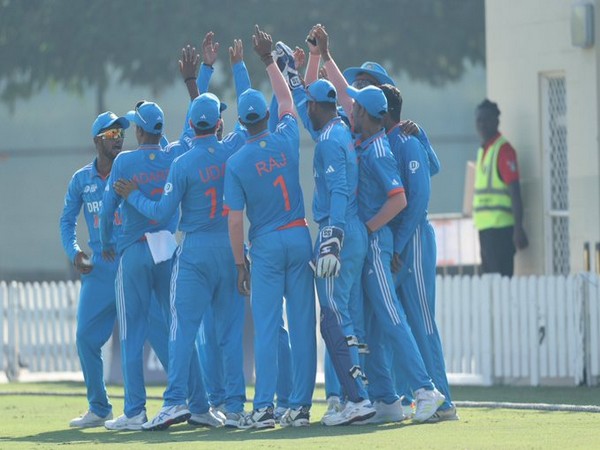
Cold Atmosphere Continues During Anthems
The tense atmosphere continued minutes later during the national anthems. Players from both teams stood apart, and no visible interaction took place. Meanwhile, India’s opening batter Vaibhav Suryavanshi exchanged a few words with Bangladesh players as they attempted to distract him. However, the overall mood remained restrained. According to observers, both teams chose professionalism over confrontation, even as the tension remained evident on the field.
Wider Political Context Behind On-Field Gesture
The incident comes amid rising tensions between India and Bangladesh off the field. Bangladesh has reportedly refused to travel to India for the upcoming T20 World Cup, scheduled to begin in February. The Bangladesh Cricket Board has also approached the ICC to shift its matches to Sri Lanka. Earlier, similar no-handshake scenes played out in India-Pakistan matches across tournaments, including the Asia Cup and Women’s World Cup. As a result, cricket officials expect such gestures to continue when political developments overshadow sporting ties.