ISRO 2026 Mission Anomaly Hits PSLV-C62 Launch
The ISRO 2026 mission anomaly disrupted India’s first launch of the year when PSLV-C62/EOS-N1 faced a critical issue during its flight. ISRO Chairman V Narayanan confirmed the rocket deviated from its planned path near the end of the third stage, leaving the fate of 16 satellites onboard unclear. The launch occurred at the Satish Dhawan Space Centre in Sriharikota, and engineers are now analysing telemetry to identify the cause of the anomaly.
Early Flight Performance Shows PSLV Working Normally
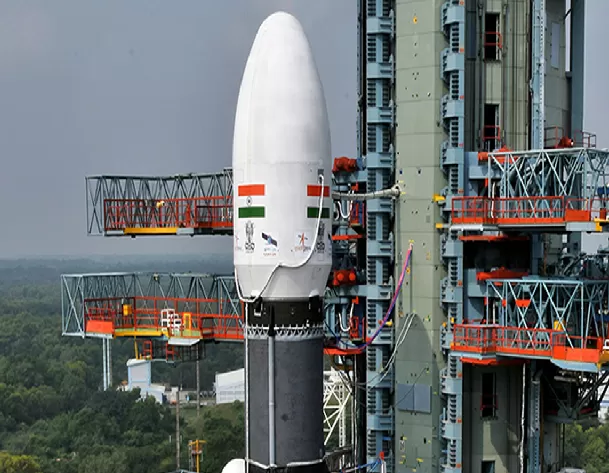
The 44.4-metre-tall PSLV lifted off at 10.18 am, carrying EOS-N1 (Anvesha) and 15 co-passenger satellites from India and abroad. The mission aimed to deploy them into a 512-kilometre Sun-Synchronous Orbit during a 17-minute flight. Telemetry indicated normal performance through the first and second stages, and the third stage ignited on schedule. However, unexpected vibrations and instability soon emerged, triggering the ISRO 2026 mission anomaly.
Third-Stage Disturbance Causes Mission Anomaly
Chairman Narayanan said the problem began near the end of the third stage when strap-on motors were providing thrust. Engineers observed a flight deviation that prevented precise satellite injection. About 30 minutes after liftoff, ISRO confirmed the ISRO 2026 mission anomaly on X and began a detailed investigation. The deviation is particularly concerning because the May 2025 PSLV mission also faced third-stage trouble. Despite being a reliable launcher, consecutive anomalies have put the PSLV under close scrutiny.
Satellite Status and Next Steps in ISRO 2026 Mission
ISRO has not yet confirmed whether EOS-N1 and the other satellites reached their intended orbit. Engineers are reviewing telemetry and tracking data from multiple ground stations. Narayanan said updates will follow after full analysis. The agency emphasized that, despite the ISRO 2026 mission anomaly, PSLV remains the backbone of India’s launch program. Lessons from this incident will guide future missions and improve risk management.