Poland Backs India Tariffs Amid Trump’s Russian Oil Threats
Poland has publicly backed India amid growing tensions between New Delhi and Washington over Russian oil imports. The support came during India’s first-ever engagement with the Weimar Triangle, a key European political grouping. Polish Foreign Minister Radoslaw Sikorski said Warsaw was “satisfied” with India’s recent reduction in Russian oil purchases. His remarks come as US President Donald Trump renews threats of punitive tariffs against countries continuing energy trade with Moscow during the Ukraine war.
India-US Tensions Rise Over Russian Oil Imports
External Affairs Minister S Jaishankar represented India at the landmark meeting in Paris. He held discussions with French Foreign Minister Jean-Noel Barrot, Polish counterpart Radoslaw Sikorski, and German representatives. Notably, this marked India’s inaugural participation in the Weimar Triangle format. The grouping, formed in 1991 by France, Germany, and Poland, focuses on European integration, security cooperation, and geopolitical coordination, particularly on Russia and Ukraine. According to Sikorski, India’s presence reflected growing strategic trust between New Delhi and Europe. He also confirmed plans to continue talks during his upcoming visit to India next week.
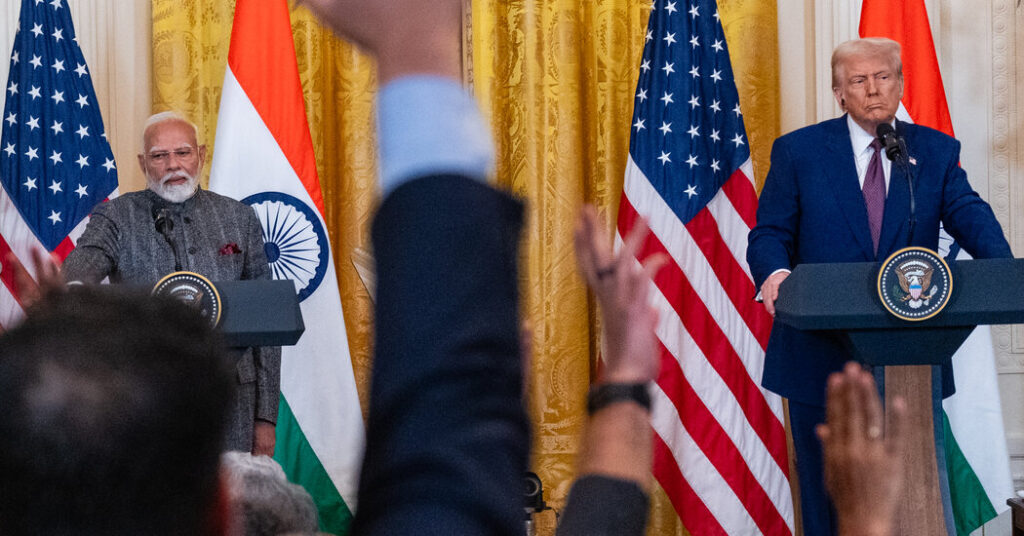
Poland Supports India on Tariffs During Weimar Triangle Talks
Meanwhile, India-US relations have faced fresh strain following Donald Trump’s sharp remarks on Russian oil imports. Trump has warned of tariffs as high as 500 per cent on countries that “knowingly purchase” Russian oil or uranium. Earlier, his administration imposed a 25 per cent reciprocal tariff on Indian goods. It later added another 25 per cent penalty linked to Russian oil purchases, pushing total duties on some exports to 50 per cent. Republican Senator Lindsey Graham said Trump had cleared bipartisan legislation allowing such penalties after a “productive” meeting, with a vote expected soon.
Europe Signals Diplomatic Balance
Despite US pressure, Poland’s remarks signal a more balanced European approach toward India. Sikorski acknowledged that India had already reduced its dependence on Russian crude, calling it a positive step. He also noted that continued dialogue remained essential amid shifting global alliances. For India, the Weimar Triangle engagement underscores its growing role in multilateral diplomacy beyond traditional blocs. At the same time, New Delhi continues to navigate complex energy needs while managing pressure from Western partners. As global geopolitics hardens, Poland’s backing offers India diplomatic breathing space amid escalating tariff threats from Washington.