SC to Decide Key Bail Verdict in Delhi Riots Case
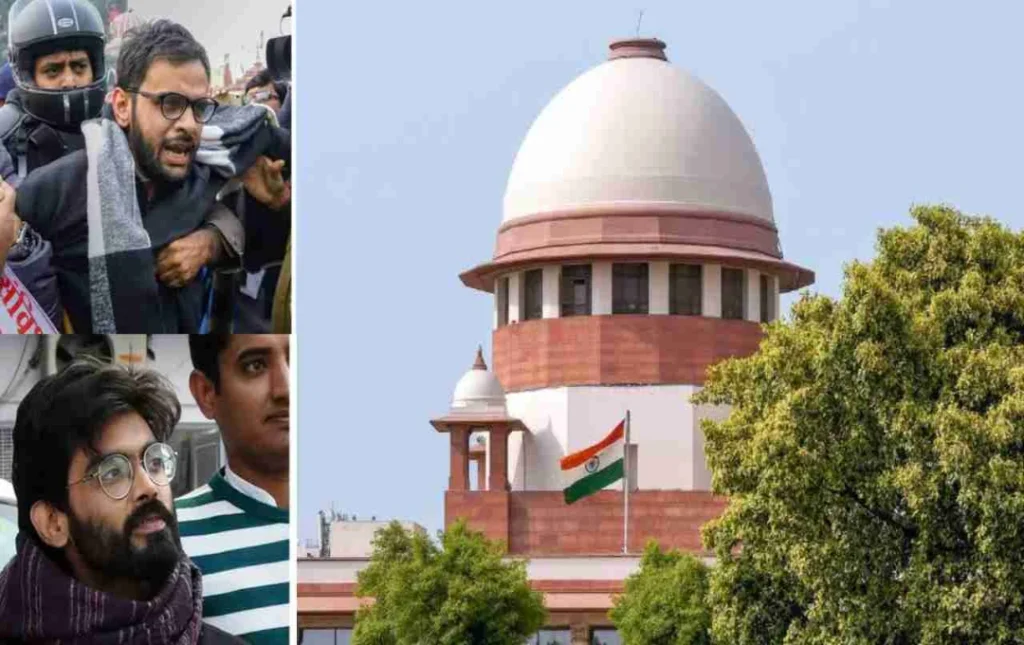
The Supreme Court will deliver the Umar Khalid bail verdict today, ending years of anticipation for Khalid, Sharjeel Imam and five others charged under the UAPA. The bench reserved its decision on December 10 after detailed arguments from both sides. Because the case raises important questions about dissent, free speech and state authority, the verdict has drawn national attention.
Background of the 2020 Conspiracy Case
The decision comes nearly six years after the 2020 Delhi riots, which erupted during protests against the Citizenship (Amendment) Act. The violence left 53 people dead and caused widespread destruction across Northeast Delhi. Police claim the accused planned a larger conspiracy behind the unrest. However, the defence argues that investigators used selective video clips, short fragments of speeches and isolated WhatsApp chats without proper context. These opposing narratives have kept the case in the spotlight and added weight to the upcoming ruling.
Legal Questions Shaping the Bail Decision
During the hearings, the judges repeatedly questioned whether the allegations fit the UAPA’s definition of a “terrorist act.” Defence lawyers said that sharp criticism of government policies cannot be treated as terrorism. The prosecution, however, highlighted alleged calls for road blockades and speeches made before the riots. These contrasting positions have shaped the Umar Khalid bail verdict, as the court must determine whether the evidence meets the strict UAPA threshold.
Why the Verdict Holds National and Global Importance
The court’s decision will also impact co-accused Gulfasha Fatima, Meeran Haider, Shifa-ur-Rehman, Mohd Saleem Khan and Shadab Ahmed. International figures, including New York lawmaker Zohran Mamdani, have urged Khalid’s release. As a result, the Umar Khalid bail verdict is expected to influence future debates on civil rights, the policing of protest movements and the broader use of UAPA in India. With growing global focus on due process and accountability, the outcome may shape similar legal battles ahead.