Delhi AQI Near Severe as Fog and Low Winds Trap Pollution
Dense fog and slow wind movement pushed the Delhi AQI near severe levels on Sunday morning, worsening visibility and trapping pollutants across the capital. According to CPCB’s Sameer app, Delhi’s air quality stood at 391 at 6:05 am, placing the region close to the AQI severe level. The IMD also issued a yellow alert as fog combined with cold wave–like conditions intensified discomfort for residents and hindered dispersion of pollutants.
Delhi Air Quality Worsens Across Major Stations
Several pollution hotspots showed sharp deterioration, keeping the Delhi AQI near severe territory in many areas. Out of 39 active monitoring stations, 20 registered “severe” air quality, including Anand Vihar, Jahangirpuri, Chandni Chowk, Shadipur and Wazirpur. Other regions remained in the “very poor” category, while only NSIT Dwarka reported a “poor” AQI of 214. These readings highlight how sensitive air quality in Delhi becomes during winter when emissions combine with stagnant weather.
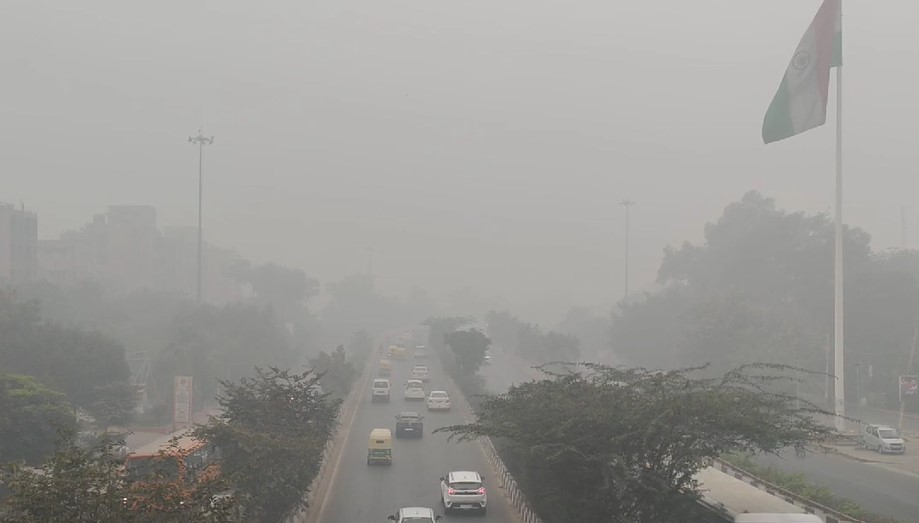
Weather Conditions Keep AQI Near Severe Levels
Experts say weak wind speeds were the main reason behind rising pollution and the Delhi AQI near severe threshold. Winds hovered around 4–5 kmph for most of Saturday, preventing pollutant dispersal. Brief afternoon improvement faded quickly as winds dropped again by evening. AQEWS forecasts suggest that Delhi air quality will stay in the “very poor” category for several days, with fog and low temperatures continuing to trap particulate matter close to the ground.
GRAP Restrictions Unchanged Despite Rising Pollution
Despite the Delhi AQI near severe mark in several locations, authorities have not reinstated Stage IV restrictions under the Graded Response Action Plan. Stages I to III remain in place, and officials will reassess air quality trends in the coming days. Experts stress the need for long-term solutions, including cleaner transport, industrial regulation and consistent monitoring. Without sustained action, Delhi pollution episodes may continue to intensify each winter.