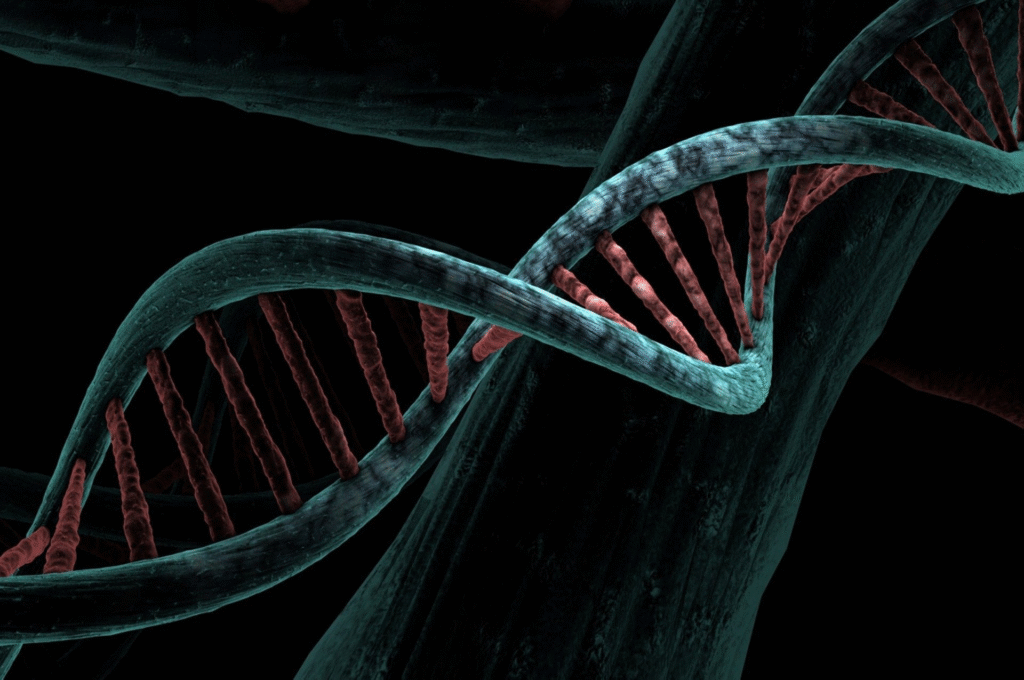
A team of scientists from prestigious institutions including Oxford, Cambridge, and Imperial College have embarked on a bold and controversial initiative to create synthetic human DNA from scratch. Funded with £10 million (Rs 117 crore) by the Wellcome Trust, the project aims to develop a fully artificial human chromosome, which accounts for about 2% of the human genome. As a proof of concept under the Synthetic Human Genome Project, the researchers ultimately hope to build entire human genomes synthetically, potentially transforming future treatments for aging, organ failure, and genetic disorders.
Dr. Julian Sale from the MRC Laboratory of Molecular Biology explained that the project could pave the way for disease-resistant cells that can regenerate damaged organs such as the liver, heart, and immune system. Similarly, Professor Matthew Hurles, director of the Wellcome Sanger Institute, highlighted the scientific value of building DNA from the ground up, noting it allows researchers to test genetic functions and theories that are difficult to explore using existing biological systems. The aim, he added, is to enhance understanding of how genes control the body and why certain genetic failures lead to disease.
However, ethical concerns are mounting. Critics argue that the ability to create synthetic human DNA could be misused. Professor Bill Earnshaw of Edinburgh University, a pioneer in artificial chromosome research, warned that while regulations may exist, the technology could be exploited if accessed by the wrong entities. “The genie is out of the bottle,” he said. Dr. Pat Thomas, director of the campaign group Beyond GM, voiced deeper fears about the project being repurposed for harm or biowarfare, emphasizing that scientific intentions do not always guarantee ethical outcomes.